library · field guide

Too cold to post this week.

A book does not mind a frozen depot. A plant does — and it will not tell you it was hurt until days after it arrives, when the leaves blacken on a customer's windowsill. Deciding when a living thing should stay on the bench rather than go in the post is one of the quietest skills in mail-order horticulture, and one of the easiest to get wrong.

the forecast is a dispatch decision

The weather is part of the shipment.

A courier reads a postcode. It does not read a forecast. The frost at your gate, the freeze in a motorway depot, the cold on a doorstep two hundred miles away: none of it is visible to the label. Someone has to put it back before the box is sealed.

a slow kind of damage

The harm arrives after the plant does.

Most shipping problems announce themselves. A dropped parcel rattles; a crushed box arrives dented. Cold damage does neither. A plant chilled below its tolerance in an unheated lorry or a weekend depot can look perfectly fine when the customer opens the box, then collapse three days later as the frozen cells break down and the leaves go translucent, then black. The customer photographs a dead plant and a pristine package, and there is nothing in the picture to argue with.

That delay is what makes cold the hardest risk in mail order to see coming. The nursery did everything else right: the specimen was healthy, the pack was neat, the courier was on time. It still arrived dead, because it spent a January night at −4°C on a pallet in a distribution hub, and no one decided it shouldn't have travelled that week.

Deciding not to ship is a real operational act. It costs a slot, it delays revenue, it means telling a customer their order is waiting. Done well it is the cheapest insurance a grower buys. Skipped altogether, it turns a whole week's dispatch into a run of refunds, replacements and one-star reviews that outlast the cold snap by months.

Read the forecast where it lands.

both ends of the line

Read the forecast where it lands.

A grower checks the sky above their own nursery out of habit. Mail order asks for more: the plant leaves your mild valley, crosses a frozen upland in a dark trailer overnight, and lands on a doorstep two hundred miles away where it is colder than either. The journey passes through weather you never see, and the coldest point on the route is the one that decides the outcome.

So the question worth asking is whether it will be too cold anywhere on this plant's route, at any hour it is in transit. The origin forecast tells you whether it is safe to hand over. The destination forecast, plus a realistic read of the nights in between, tells you whether it is safe to arrive. A tender plant going to a cold region in a cold week is a loss you can see coming, if you are looking at the right map.

A heat pack is a bet on the timetable.

buying the plant a few degrees

A heat pack is a bet on the timetable.

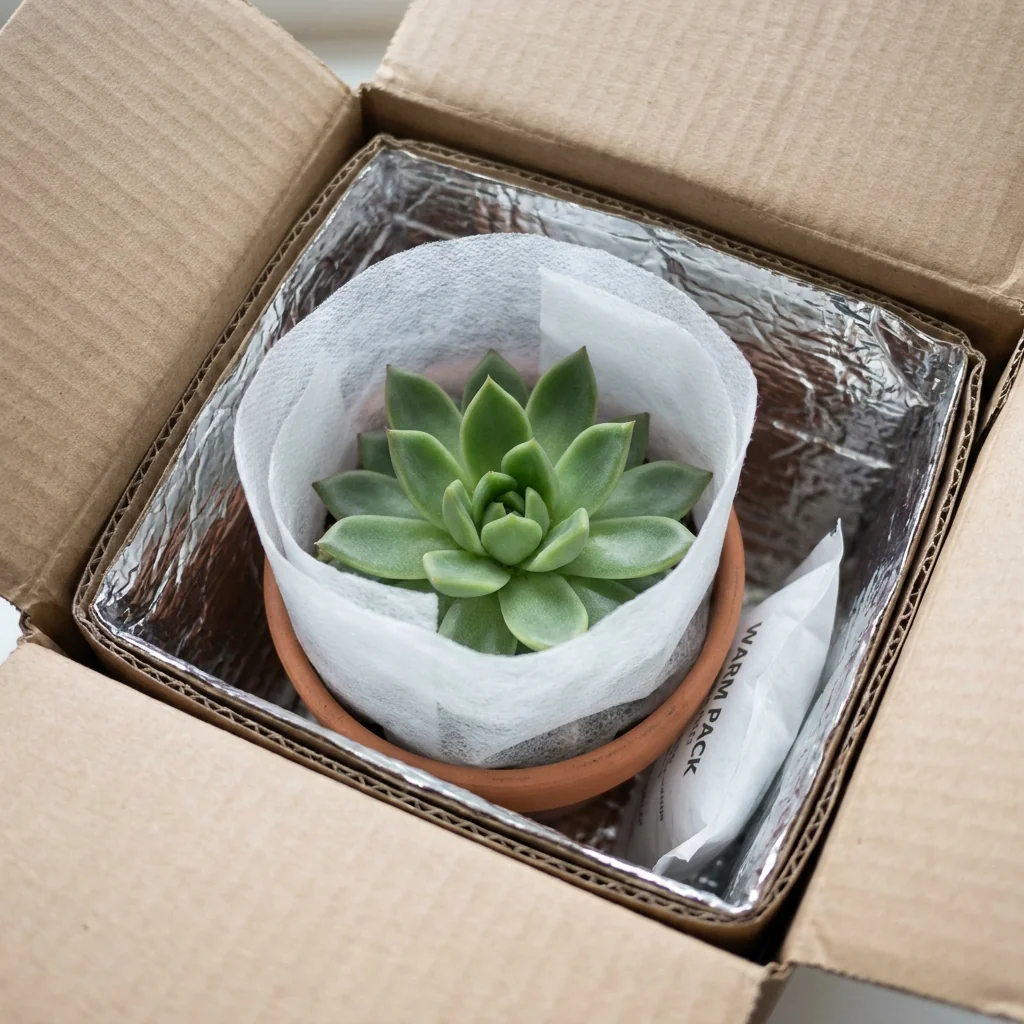
When the cold is marginal rather than severe, the trade reaches for insulation: an insulated liner, a wrap of fleece, and a heat pack, a small sachet that gives off gentle warmth for a day or two. Used well, it carries a borderline plant through a cold night and buys the shipment the few degrees that keep cells intact.

But a heat pack is a timer, not a guarantee. It warms for a fixed window; a parcel that stalls in transit outlives its heat and arrives cold anyway. Insulation that seals in warmth also seals in moisture, and a plant that sweats for three days rots instead of freezing. The pack is a tool for a short, reliable journey in marginal cold. Knowing which shipments it saves and which it only delays the death of is the craft.

the hold is a decision

Holding a shipment is an action, and it should leave a mark.

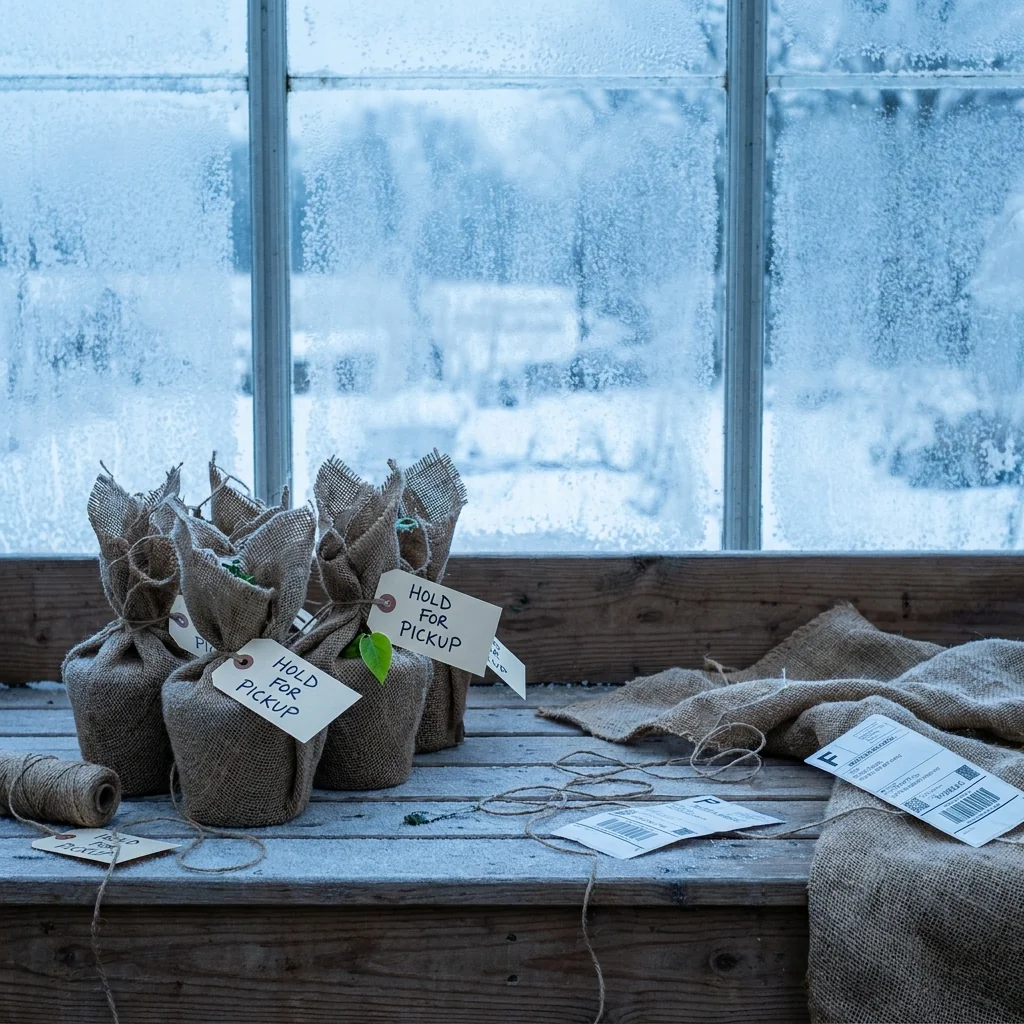
The safest response to a hard freeze is often to not ship at all: push the dispatch date past the cold and tell the customer why. That decision needs somewhere to live. A moved ship date, a reason on the record, and a shipment that will not quietly slip into the pick queue while the frost is still on the ground.

The difference between a professional weather hold and a nervous one is whether it is written down. A hold kept in someone's head is forgotten the moment they take a day off, and the parcel goes out on Tuesday because no one remembered it was meant to wait. A hold recorded against the shipment survives a change of shift and a busy morning: the ship date moved to the far side of the cold snap, a note explaining the frost, the delivery marked as scheduled rather than ready to pick.

It also survives a complaint. When a customer asks why their plant took an extra week, "we held it deliberately because your area was forecast to hit −6°C, and we'd rather it arrived alive than on time" is a confident answer backed by a record. The hold that protected the plant protects the nursery's reputation too, provided the decision, the reason and the date it was cleared to travel are sitting on the order where anyone can find them.

Some weeks, the right move is an empty van.

the discipline of not shipping

Some weeks, the right move is an empty van.

There is commercial courage in telling a paying customer their order will wait. The pressure runs the other way. The plant is picked, the label is printed, the revenue is right there, and it is tempting to trust the heat pack and hope the freeze breaks. Every experienced mail-order grower has a story about the week they shipped into the cold anyway and spent the next fortnight replacing it.

A rule made once, in advance, beats a judgement made under dispatch pressure. A tenderness threshold per plant type, a temperature line below which nothing travels, and a default to hold when the forecast is borderline turn a fraught daily decision into a policy the whole team can apply the same way. The nursery that decides its cold rules in autumn, calmly, ships far better in January than the one improvising at the packing bench with a frost warning on its phone.

A held plant is a story you get to tell first.

the customer would rather wait

A held plant is a story you get to tell first.

Customers who buy living things understand weather better than any other kind of shopper. They are gardeners. Told before the silence stretches out that their plant is being held for their own cold spell, most are reassured. It reads as care, and as a grower who knows what they are doing. It is the unexplained delay that draws a complaint.

The trick is that the message has to be timely and specific, which means it has to be triggered by the hold rather than remembered later. "Your order is held until the frost clears next week; we'd rather it reached you alive" turns a logistics decision into a mark of quality in the customer's inbox.

atlas core

How Atlas Core holds a shipment through the cold

Atlas Core does not forecast the weather; that judgement stays with the grower who knows their plants. What it does is give the decision a place to live and a way to stick:

  • A dispatch date you can move, and that moves the shipment with it. Each delivery carries a ship on date. Pushing it past the cold snap reschedules the shipment and drops it into a Scheduled state, out of the ready-to-pick flow, so a held plant can't quietly go out while the frost is still on the ground. The system won't let you set a date in the past.
  • A held state at the item level too. Individual lines can sit On hold within a delivery, so part of a shipment can wait for the weather while the rest moves.
  • The reason on the record. A note against the delivery captures why it was held: the forecast, the temperature line. Every status change and date move is logged with who did it and when, so the hold is a decision anyone can see and stand behind.
  • The pack recorded as what it actually was. Each shipment breaks into the physical packs it's made of, tied to a packaging type, so an insulated, heat-packed winter box is recorded as the packaging that carried it.
  • A delivery lifecycle that shows where every held plant stands. Pending → Scheduled → Processing → Picking → Packed → In Transit → Delivered, with the held shipments visible as Scheduled, waiting on a date rather than stalled in silence.

The forecast stays a human call. Atlas Core makes sure that once the call is made, the shipment actually waits.

Read further

Posting a plant is its own craft Field guide · 2026

Posting a plant is its own craft

A parcel network was built to move boxes, not living things. Shipping a plant by courier, alive and undamaged and on time, is a discipline of its own, and the last, most dangerous stretch can undo all the earlier work.

8 min read · Jul 2026 Read →
Half a truck to Rotterdam, every week Field guide · 2026

Half a truck to Rotterdam, every week

A small nursery pays a premium to move a plant, because it ships in half-loads and the haulier still charges for the empty space. Consolidating part-loads with other growers, and costing freight by the trolley, lets a small grower ship at a big grower's rate.

8 min read · Jul 2026 Read →
When the courier loses your orchid Field guide · 2026

When the courier loses your orchid

A plant leaves the nursery in perfect condition and never arrives. The real cost is rarely the lost stock. It is not being able to say which courier had it, which parcel it was in, or where its trail went cold. How to make a missing order a lookup, not a shrug.

7 min read · Jul 2026 Read →

Ship living stock through winter with your eyes open.

Atlas Core turns a weather hold into a recorded decision: a moved dispatch date, a held state and a reason on the order, with a lifecycle that shows where every waiting shipment stands. Talk to us about how it fits your nursery.