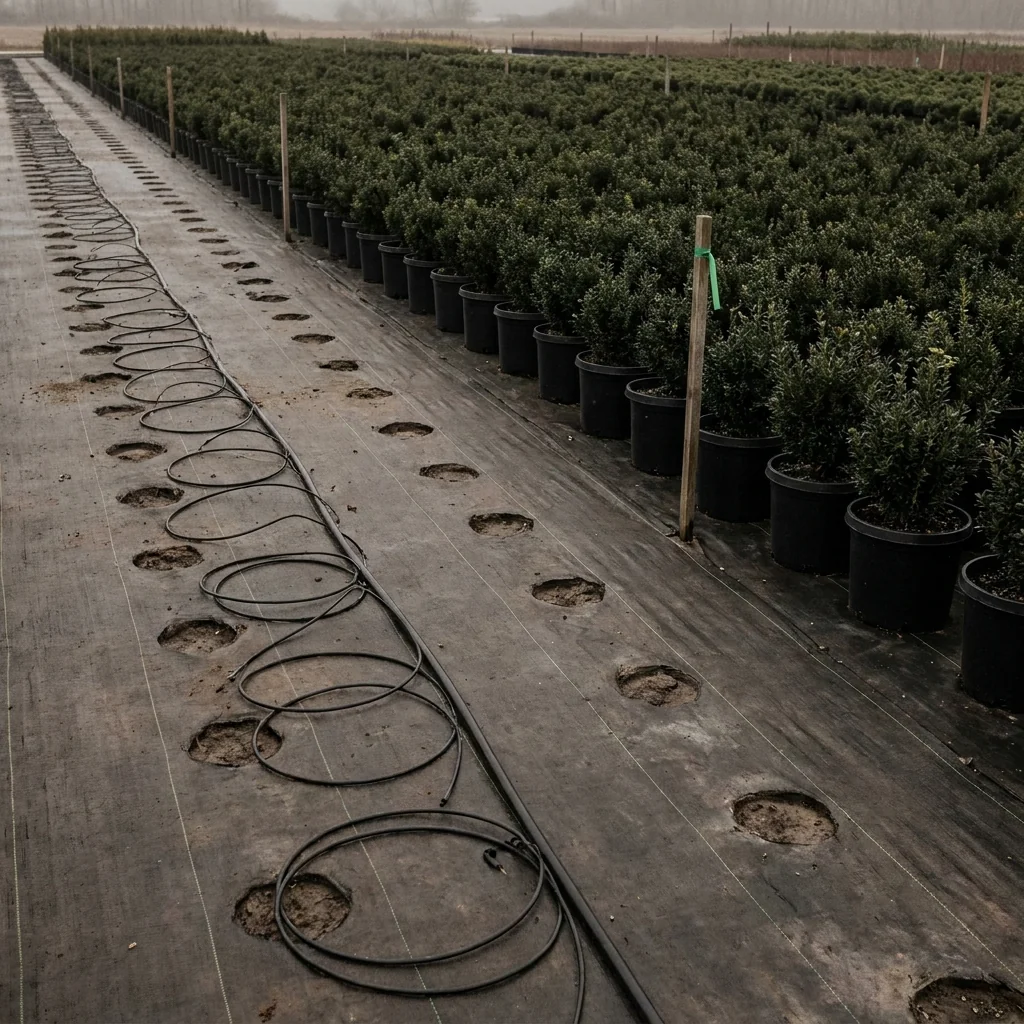
field and container together
Stock that lives in a bed, not a bin.
Field stock does not behave like warehouse stock. A row is an estimate until it is lifted, and the number you sell against has to reflect that honestly.
Atlas Core holds field batches by block and row with a counted figure, a lifted figure and the variance between them - so a sales team quoting in October knows how much of that row is real.
Containerised stock, potted-on from the same crop, keeps the lineage of the field batch it came out of.
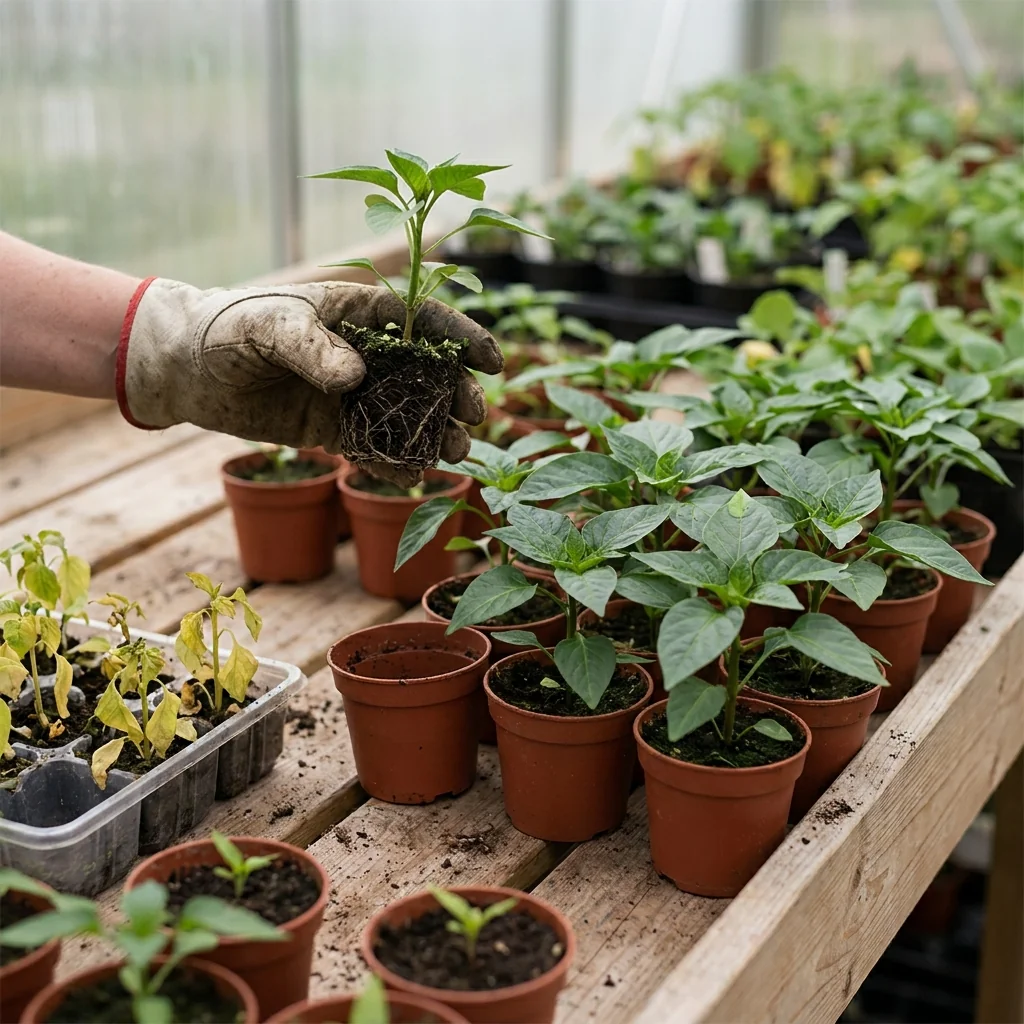
grades, not SKUs
One crop, eleven prices.
Girth, height, clear stem, root treatment, container size - a single planting produces a whole price ladder, and the ladder moves every season as the crop grows into the next grade.
Atlas Core treats grade as a property of the batch rather than a separate product code, so regrading a bed in spring does not mean inventing eleven new items and losing the history of the old ones.
Trade price lists are built off the grade ladder, per customer, with the same crop underneath.
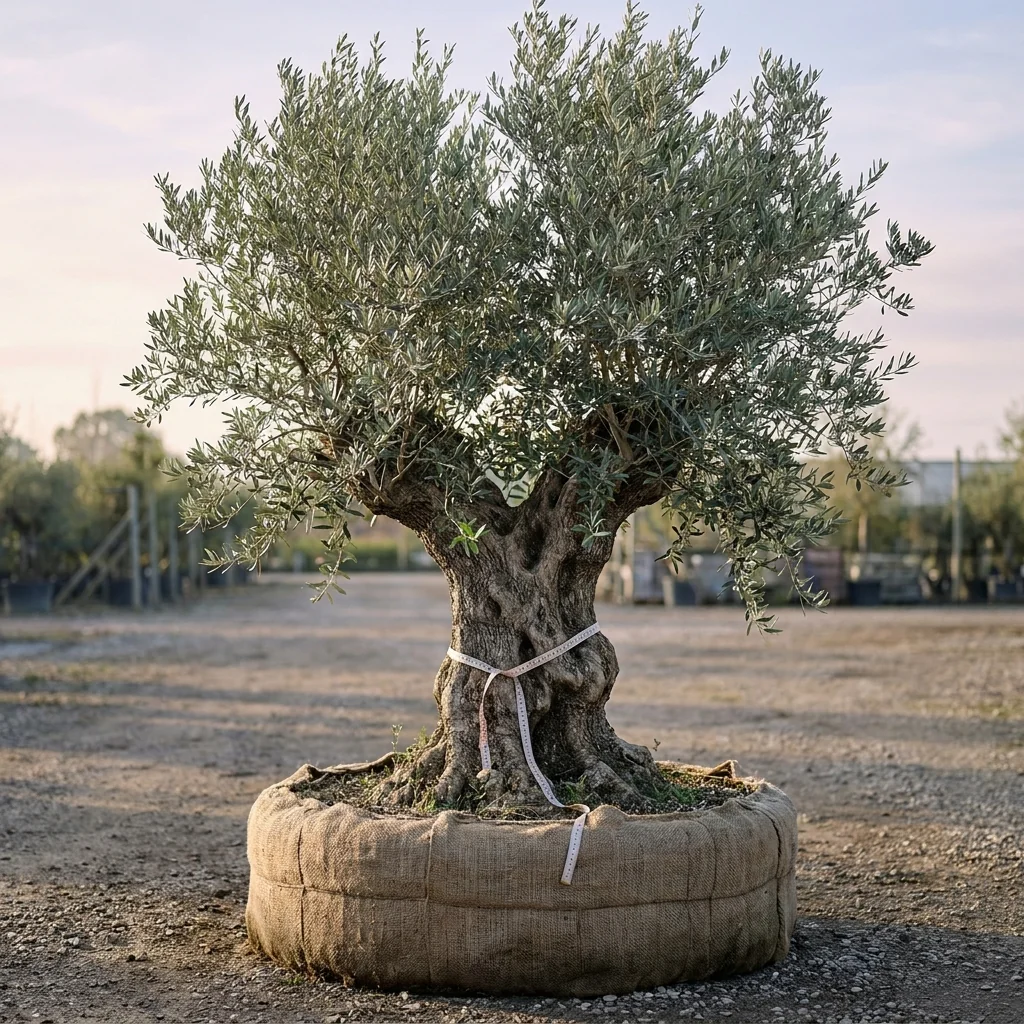
specimens and one-offs
The tree with a name.
Some stock is not a line at all. A mature specimen is one plant, photographed, measured and sold once - often to a landscape architect who chose it from a picture.
Atlas Core lets a batch of one carry photographs, measurements and a reservation against a project, so the tree a designer specified in February is still the tree that leaves the yard in November.
Reservations hold against the plant itself, which is what stops the same specimen being sold twice.
Built for a five-year crop.
Field blocks as real stock
Beds and rows tracked by block with counted, lifted and variance figures, so the number you sell from is the number in the ground.
Grading without re-keying
Girth, height and root treatment are properties of the batch. Regrade a crop and the history, cost and lineage come with it.
Passports at lifting
EU plant passports and origin records generated when stock is lifted and dispatched, from the block it actually came from.
The shape of the system.
Grower Plus is the usual starting point: long crops, bought-in stock and your own delivery all in from day one.
Editions are sold per seat with a 30-day trial. We will tell you which one fits before you commit.
Tree and shrub production, answered.
Can it handle stock that is still in the ground?
Field batches are held by block and row with a counted quantity, a lifted quantity and the variance between them, so sales quote an honest figure for a crop still in the ground.
How are girth and height grades handled?
Grade is a property of the batch. A crop regraded in spring keeps its planting date, cost history and lineage, and the trade price list follows the new grade automatically.
Can a single specimen tree be reserved for a project?
Yes. A batch of one can carry photographs and measurements and be reserved against a customer or project, which prevents the same specimen being sold twice while it waits for a lifting window.
Does bare-root and root-balled stock work differently?
Root treatment is recorded on the batch alongside grade, so bare-root, root-balled and containerised versions of the same crop price and pick differently without becoming unrelated products.
Related pages
Production nurseries
Batch-level propagation flow and a canonical botanical record for production nurseries.
Landscapers & contractors
Planting schedules priced across nurseries, phased site deliveries, as-planted records.
Corso cycles
Production cycles run in the crop - stage worklists, inspections and harvest, offline.