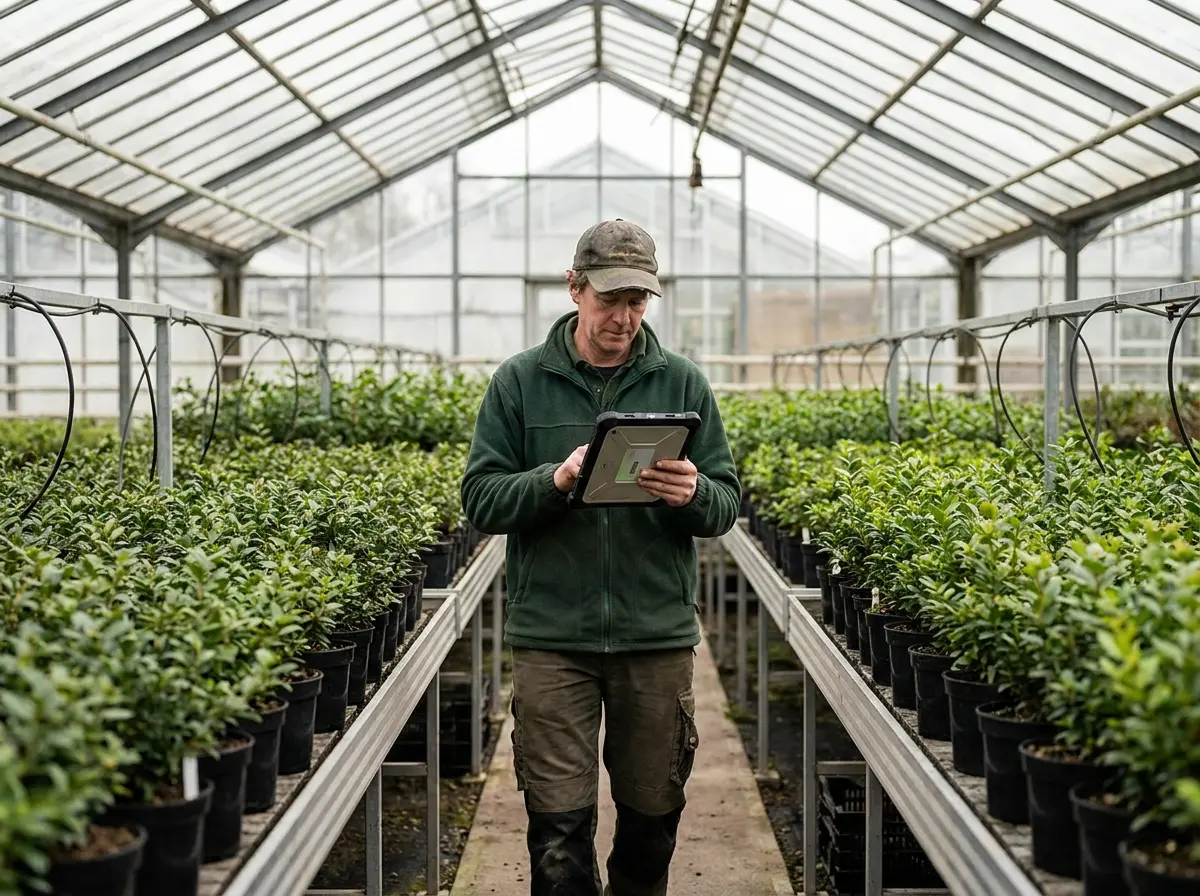
execution first
The office plans. The floor runs.
Corso is deliberately not a planning tool. Protocols are authored in Core and cycles are created there; Corso is what happens next - everything an operator does to a running cycle, at the bench where they are standing.
Each cycle runs off the protocol snapshot frozen onto it when it was created, so a protocol edited in the office next month never quietly rewrites the work a crop is already halfway through.
today
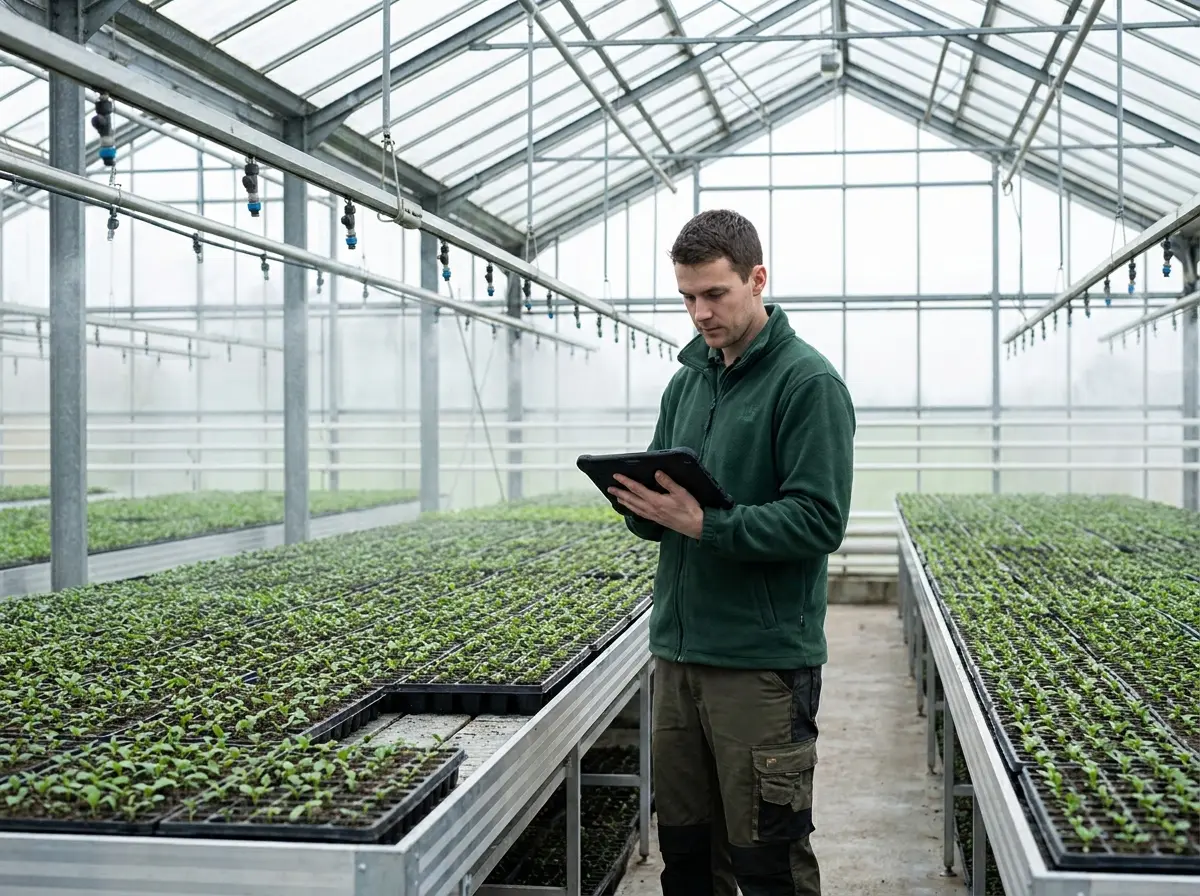
What is due, across every cycle.
Operators work by place, not by org chart. Corso opens on Today: every task, measurement and IPM inspection due or overdue across the cycles at the locations that device is synced to - urgency first, grouped by cycle, one tap to the item.
Due dates arrive as data from Core rather than being recalculated on the handset, so the phone and the office never disagree about what is late.
recording
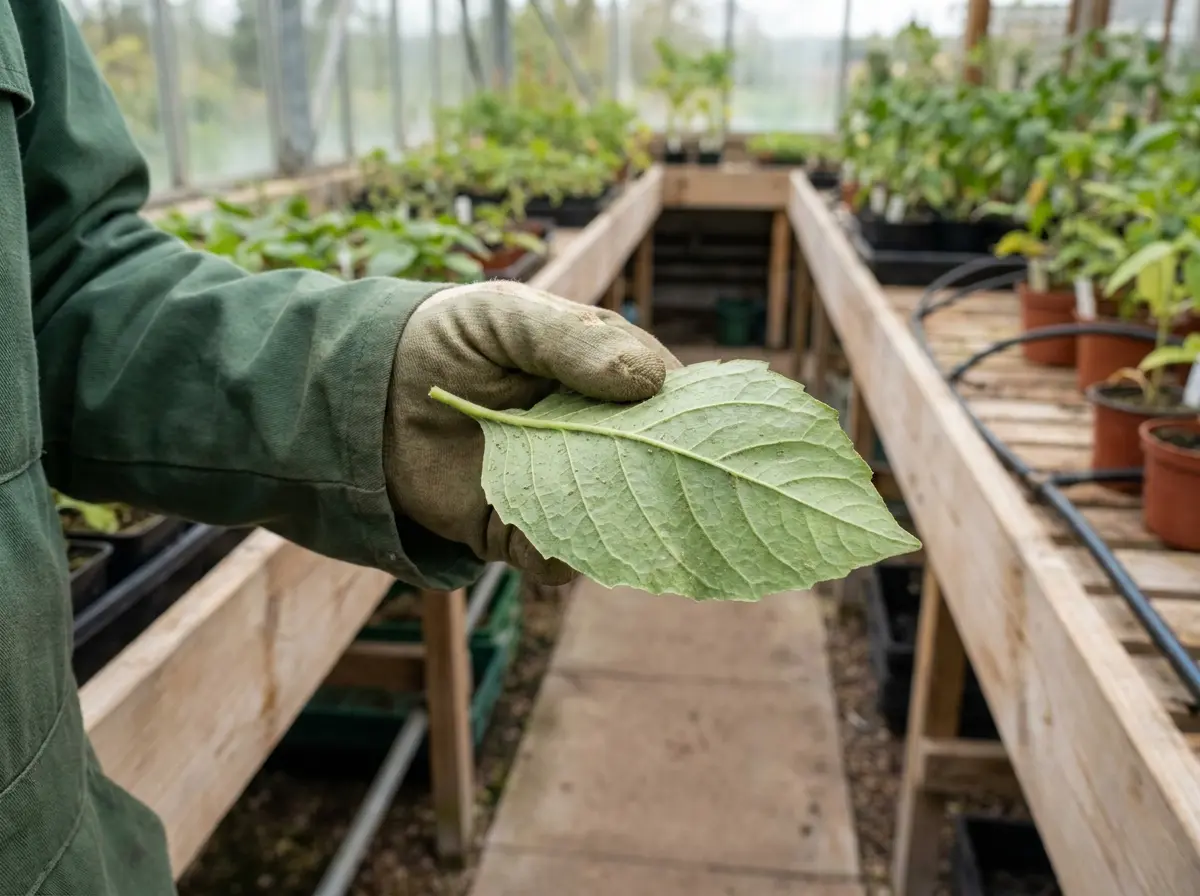
Record it where it happened.
Measurements against the protocol's expected ranges, IPM inspections with severity and action taken, losses, contingencies, risk mitigations, materials consumed against the active stage - each recorded at the plant, in the moment, with the stage it belongs to attached.
Observations never block on a connection. They are recorded instantly on the device and land in Core whenever signal returns, in whatever order they get there.
stages & harvest
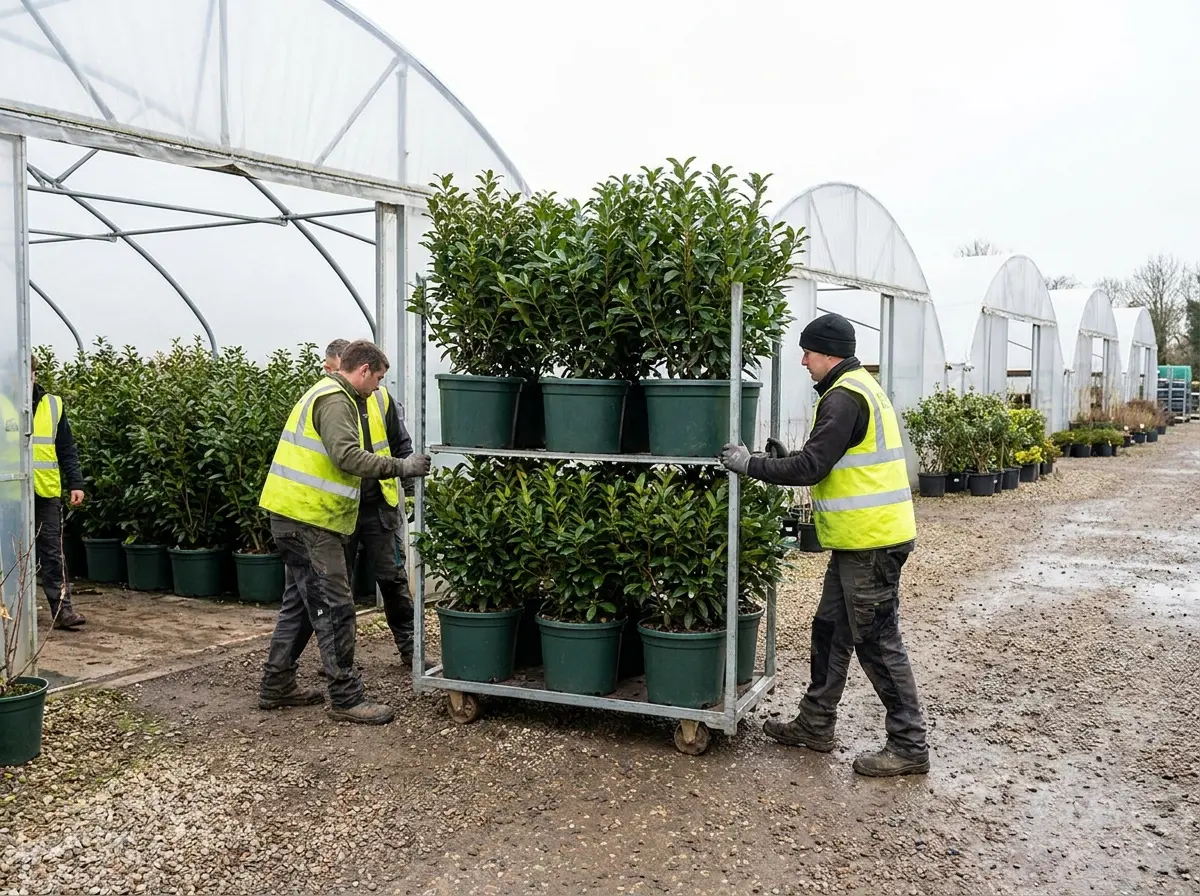
Move the crop on - when it is genuinely ready.
Advancing a stage shows the gate first: the exit criteria, QA checkpoints and handovers still unresolved. A blocked stage stays blocked unless someone holding the override permission takes it on, with a reason recorded against their name.
When the crop is ready, harvesting books it into stock in Core and closes the cycle - the point where a growing cycle becomes saleable stock, without anyone re-keying it in the office.
Corso capabilities.
Today's worklist
Tasks, measurements and inspections due across every synced cycle.
Protocol, read-only
Stages and expectations rendered from the cycle's frozen snapshot.
Stage gates
Exit criteria and QA checkpoints, with permission-gated override.
Bench sign scanning
Scan the printed cycle sign to open that cycle on the spot.
Stage-tagged photos
Capture the crop against the cycle and the stage it is in.
Offline by default
Every job works with no signal; replayed to Core on reconnection.
One ecosystem. All connected.
Every app shares the same data, stock and customers as Core ERP - no integrations, no sync jobs.
Related pages
Core ERP
The orchestrator at the centre — operations, inventory, orders and finance in one platform.
Tally stocktake
Stocktake and goods receiving for floor staff - count, receive and photograph offline.
Production nurseries
Batch-level propagation flow and a canonical botanical record for production nurseries.