library · field guide

Every bench is money.

A bench standing empty for a month earns nothing, yet costs the same to heat, light and rent as a full one. A bench crammed past what it can hold grows weaker plants and more loss. The space between those two failures is where a nursery makes or loses its margin — and you can only manage it if you can see it.

the scarce input

Space is the one thing you can't order more of by Friday.

You can buy in more stock, hire another pair of hands, add a delivery run. You cannot conjure another glasshouse by the weekend — so the bench you already have is the input worth planning hardest.

the two failures

Empty and overcrowded cost the same way.

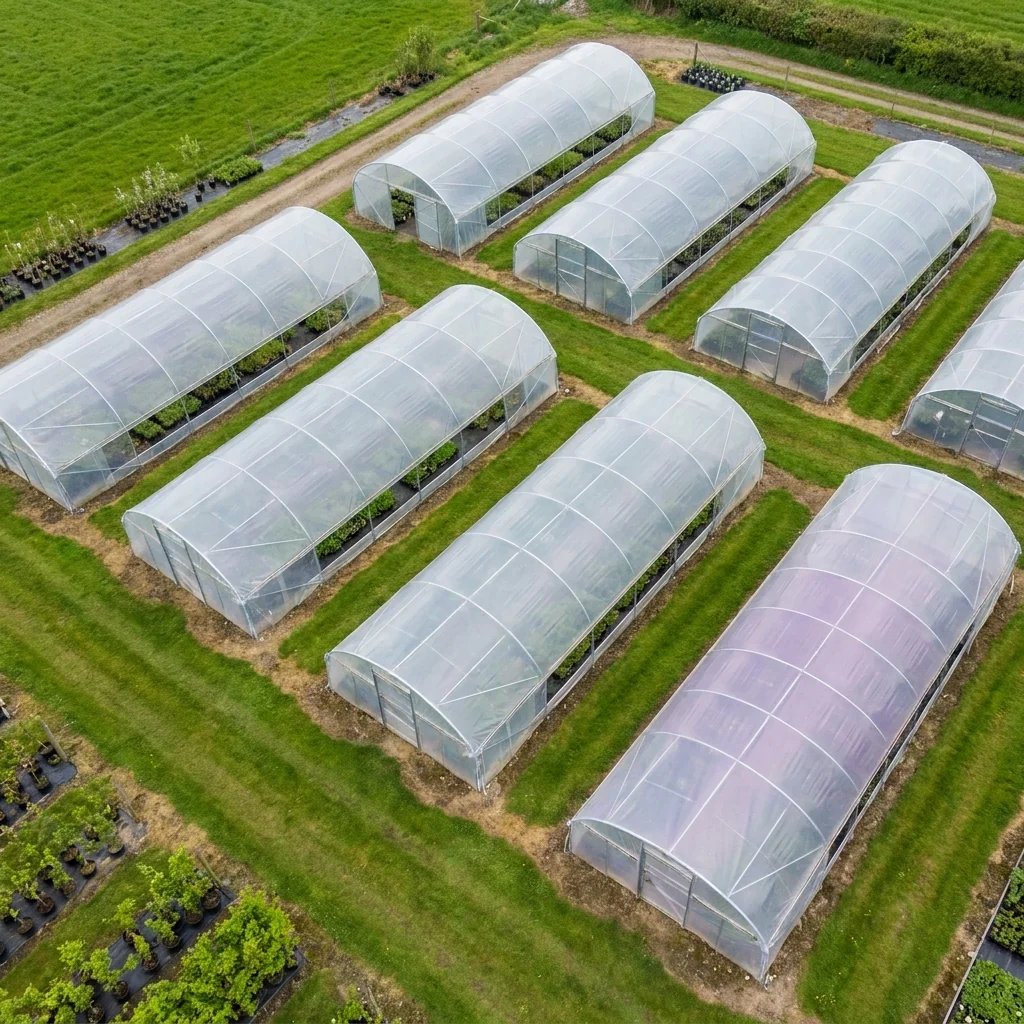
Growing space is a nursery's most expensive fixed asset and its least visible one. The heat, the light, the irrigation, the rent and the rates all run whether a bench is full of saleable stock or standing bare. An empty bench is not free; it is a bill with nothing to show for it. A tunnel that sits half-used through the spring is quietly one of the most expensive things on the holding.

The opposite failure costs just as much, only later. Cram a bench past what it can carry and the plants shade each other out, dry unevenly, and grow soft and disease-prone. What looked like efficient use of space turns into a grading-down at the end, or a skip. The margin you thought you saved on space you lose twice over on quality.

Between those two lies the whole discipline: keep the right amount of the right stock on each bench, for the right length of time, and turn it over before it stands idle. That is easy to say and impossible to do when the honest answer to "what is actually on that bench, and until when?" lives only in a grower's head. You cannot plan a space you cannot see the state of.

Make every bench a real place.

a place the system can see

Make every bench a real place.

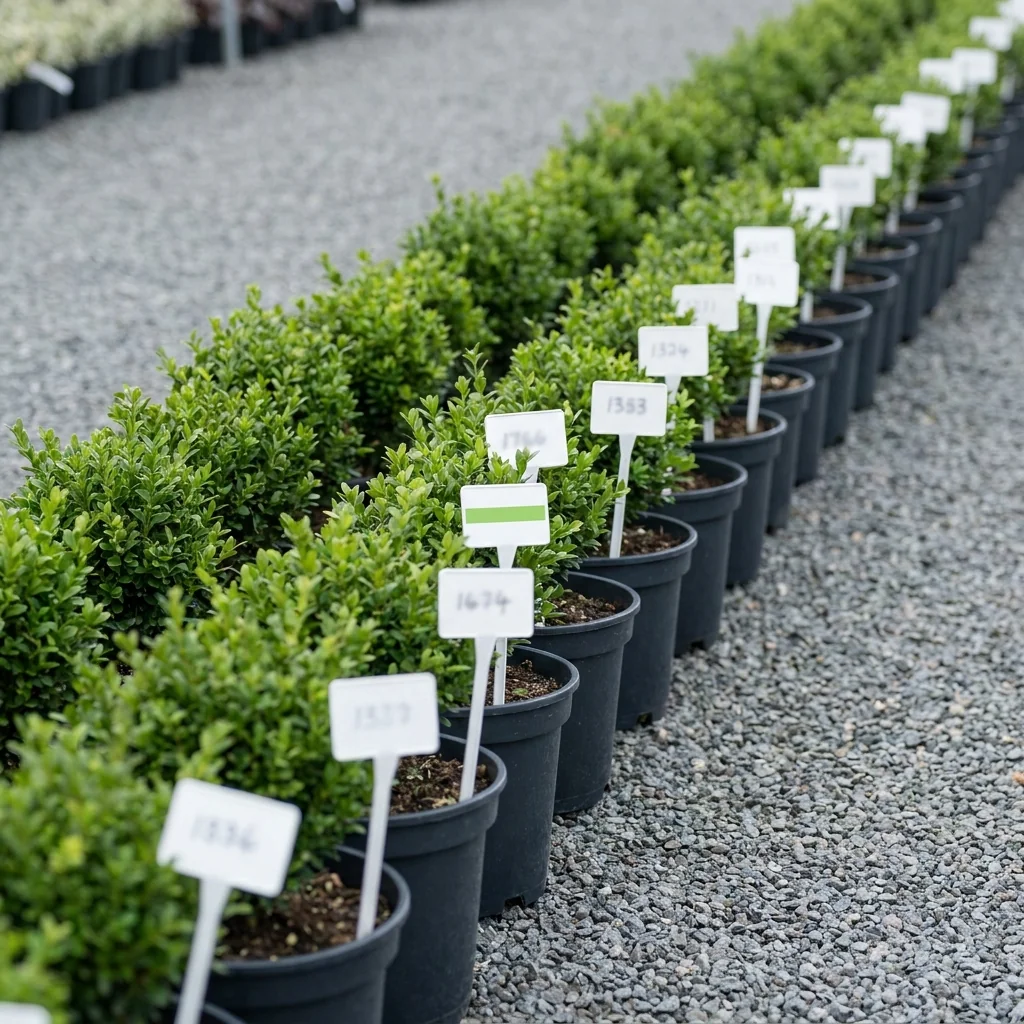
The first move is to stop treating "the nursery" as one undifferentiated blob of stock and start treating it as the tree of real places it actually is. In Atlas Core a Location can be as broad or as fine as you need: a whole site, a glasshouse, a tunnel, a field, right down to a single bench, shelf or standing-out area, nested into a tree that mirrors the holding.

Because stock is held as batches, each one a specific variant in a specific Location, the system already knows where everything physically sits. Open a bench and its occupancy is there to read: the batches of stock on it, the production cycles running on it, the mother plants standing on it. The bench stops being a guess and becomes a record you can plan against.

Every bench is booked until a date.

space is booked in time

Every bench is booked until a date.

A bench is never just occupied or free; it is occupied until a date. That time dimension is what turns occupancy into planning. A production cycle in Atlas Core runs to a protocol whose stages carry durations, and it sits on a Location with a start and an end date, so the system knows how long a crop has that bench committed and roughly when it will free up.

That is the difference between discovering a space is empty and scheduling it. Because each protocol stage records an expected loss, Atlas Core can chain the yield and work backwards from the quantity you need to the quantity to start — so you commit only the bench-space the crop will actually use, and you can see the gap opening up before it becomes a month of dead air.

the state of a place

A bench you can label is a bench you can manage.

Growing space, finished stock, quarantine, packaging, scrap — a place used for the wrong thing is as wasteful as a place used for nothing. Naming what each area is for is the quiet groundwork of using it well.

Every Location in Atlas Core carries a usage type (growing, finished stock, work-in-progress, raw materials, packaging, quarantine, returns, scrap and so on) and a status such as active, empty, full, quarantine or maintenance. Together they let the system tell growing space apart from storage, and available space apart from a bench that is off-limits because it is being cleaned down or holds suspect stock.

That labelling is what makes the difference between space that is idle and space that is unavailable legible at a glance, rather than something only the grower who set it up remembers. A quarantine bench is not empty capacity; a tunnel under maintenance is not a place to schedule a crop into next week. Knowing which is which across the whole holding, rather than just the corner you happen to be standing in, is what lets you fill the benches that can be filled and leave alone the ones that can't.

See the whole holding, to scale.

the real footprint

See the whole holding, to scale.

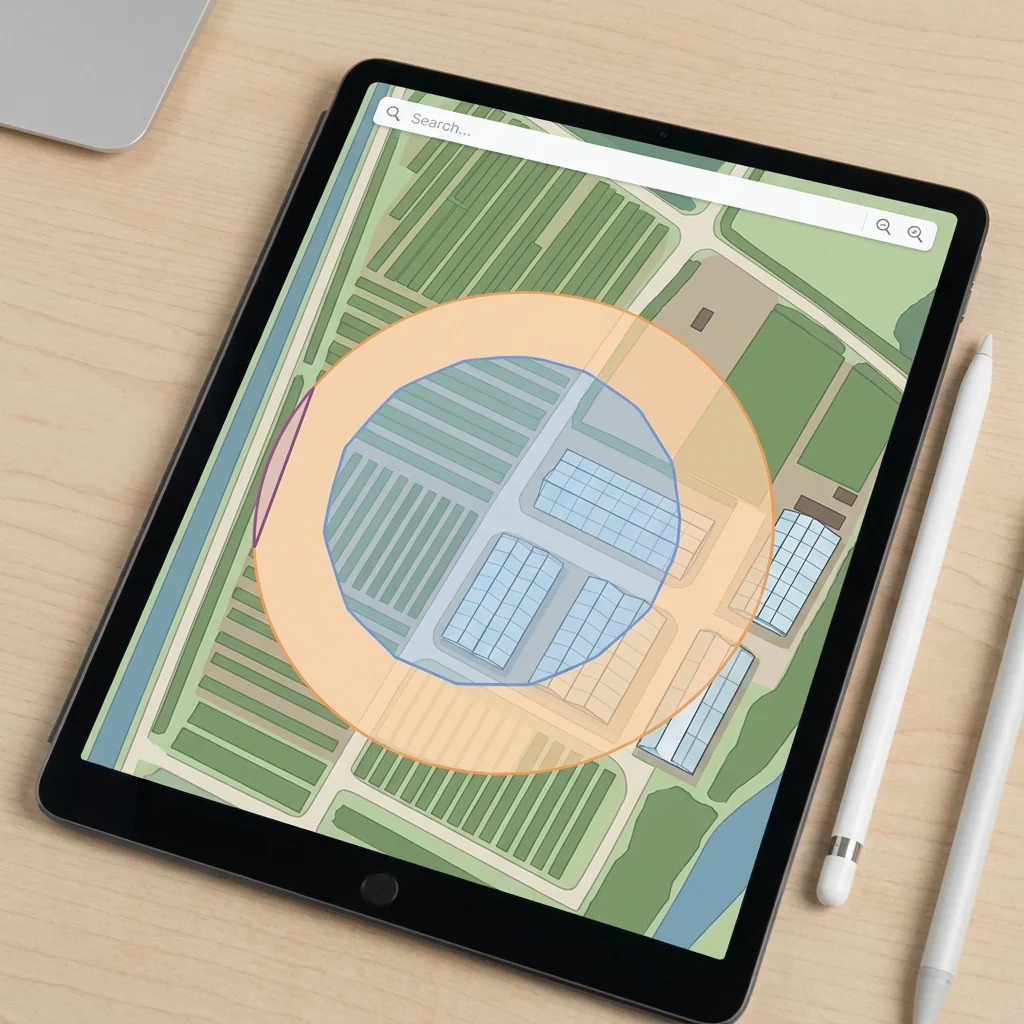
Space is physical, and a list of location names only takes you so far. Atlas Core lets each Location carry a drawn map footprint, a polygon over an aerial view, so a site, a block or a tunnel is something you can see at its true size and position rather than a code in a list.

That matters for capacity because area is the thing you are really rationing. Seeing the holding to scale (which blocks are dense, which corners are underused, how a new crop would actually fit) turns "we're a bit tight this year" into a picture you can point at and plan around. The map is the capacity, drawn.

Keep the space earning.

turnover

Keep the space earning.

The goal is a nursery whose space keeps turning over. A bench earns when stock moves through it at the right pace: potted on before it outgrows the pot, sold or moved before it stands idle, replaced with the next crop before the gap opens.

With every place, every batch and every production cycle in one system, that flow becomes something you can watch instead of something you reconstruct after the fact. You can see where stock is banking up and where benches are about to empty, and line the two up — so the expensive glasshouse spends less of the year as a bill with nothing on it, and more of it as space that is quietly paying its way.

atlas core

How Atlas Core helps you plan nursery space

Atlas Core turns growing space from a blind spot into something you can manage:

  • A Location tree that models the holding as finely as you like (site, glasshouse, tunnel, field, bench, shelf), with stock held as batches in a specific place.
  • Occupancy at a glance: open any Location to see the stock batches, production cycles and mother plants that actually sit on it.
  • Usage types and statuses that separate growing space from storage, quarantine and packaging, and idle benches from ones that are off-limits.
  • Production cycles booked in time, carrying start and end dates and stage durations, so you know how long a bench is committed and when it frees.
  • Yield planning that works backwards from the finished quantity you need to the amount to start, so you commit only the space a crop will use.
  • A drawn map footprint per Location, so you can see the holding to scale and plan capacity against real area.

Read further

Returns don't work with living things Field guide · 2026

Returns don't work with living things

Post back a jumper and you resell it; post back a plant and a week has passed, the roots have sat in a dark box, and what arrives isn't the thing that left. The ordinary distance-selling return was built for goods that keep - a living return needs its own playbook.

8 min read · Jul 2026 Read →

See every bench, and what it is earning.

Atlas Core maps your nursery down to the individual bench, shows what sits on each one and until when, and lets you plan capacity against the real footprint of the holding. Talk to us about how it fits your site.