library · field guide

One price in the aisle, another on the app.

The moment a plant sells for one figure at the till and another on the website, the discount stops looking generous and starts looking careless. Keeping prices, promotions and care labels honest across every channel is not a matter of vigilance — it is a matter of where the price lives.

the root cause

The shelf and the screen keep separate books.

Price drift is almost never a typo. It is the predictable result of the till, the web shop, the wholesale portal and the printed label each keeping a private copy of a number that was only ever meant to have one home.

the everyday failure

How a plant ends up with two prices.

It starts innocently. The garden centre runs a bank-holiday promotion, so someone edits the price at the till. The website is a different system, so the web team edits it there too — a day later, and by two pence out. The wholesale portal has its own spreadsheet. The shelf-edge labels were printed last Tuesday. Four channels, four copies of one price, and the only question left is which one the customer catches you on.

A customer who sees £12.99 on the app and £11.99 on the bench experiences a shop that doesn't seem to know its own prices — and they are right. The gap erodes trust far faster than the pound is worth, and it turns a routine promotion into an argument at the counter.

The instinct is to fix it with discipline: a checklist, a shared calendar, someone whose job is to reconcile the four copies every Monday. But reconciliation is a tax you pay forever, and it fails the first busy week. The real fix is structural. A price that lives in one place cannot disagree with itself.


One catalogue, behind every counter.

one source of truth

One catalogue, behind every counter.

Atlas Core is the database of record — the back office where the catalogue, the stock and the money actually live. The channels around it are windows onto the same one.

The till app, Atlas Cassa, pushes each sale back into Core and prints the receipt. The wholesale portal, Aviso, reads the same catalogue to show customers what to order and writes their orders straight back into Core. Neither keeps a private price. When a buyer sees a figure in the aisle or on the portal, it was resolved from the one catalogue in Core — so the shelf and the screen are reading from the same page, because there is only one page.

The rules run in one place, too.

one price engine

The rules run in one place, too.

A single price is rarely a single number. Every sellable variant carries a headline Retail Selling Price, and on top of it Atlas Core resolves the same three levers wherever the sale happens: a Price List for a customer's negotiated rates, a Sale Offer for a catalogue-wide promotion, and a Volume Discount that rewards buying in bulk.

What matters is that the rules for how those overlap, which one wins, whether a bulk break stacks on a promotion, whether any combination may dip below cost, are set once and centrally. The till doesn't reinvent them and the portal doesn't guess. Launch a promotion in Core and it is live everywhere the next time a price is asked for, because nobody downstream is holding a stale copy to update by hand.

promotions that hold

A promotion is only honest if it reaches every channel at once.

A Sale Offer in Atlas Core is a property of the catalogue: the same for everyone, applied wherever the plant is sold, and switched off everywhere the moment it ends.

Because a Sale Offer lives on the variant rather than in a channel's own settings, it cannot go live on the website but stay missing from the till. It applies wherever the plant is priced. When it expires, it expires everywhere in the same instant — there is no forgotten label still promising last month's price.

There is a second quiet guarantee underneath this. The price a customer actually pays is copied onto the order line at the moment of sale. Changing a variant's price tomorrow, or ending an offer next week, never rewrites what a past order charged. So the catalogue stays free to move with the season while every historical sale keeps telling the truth about what it was.

The same figure, taxed the same way.

tax, resolved once

The same figure, taxed the same way.

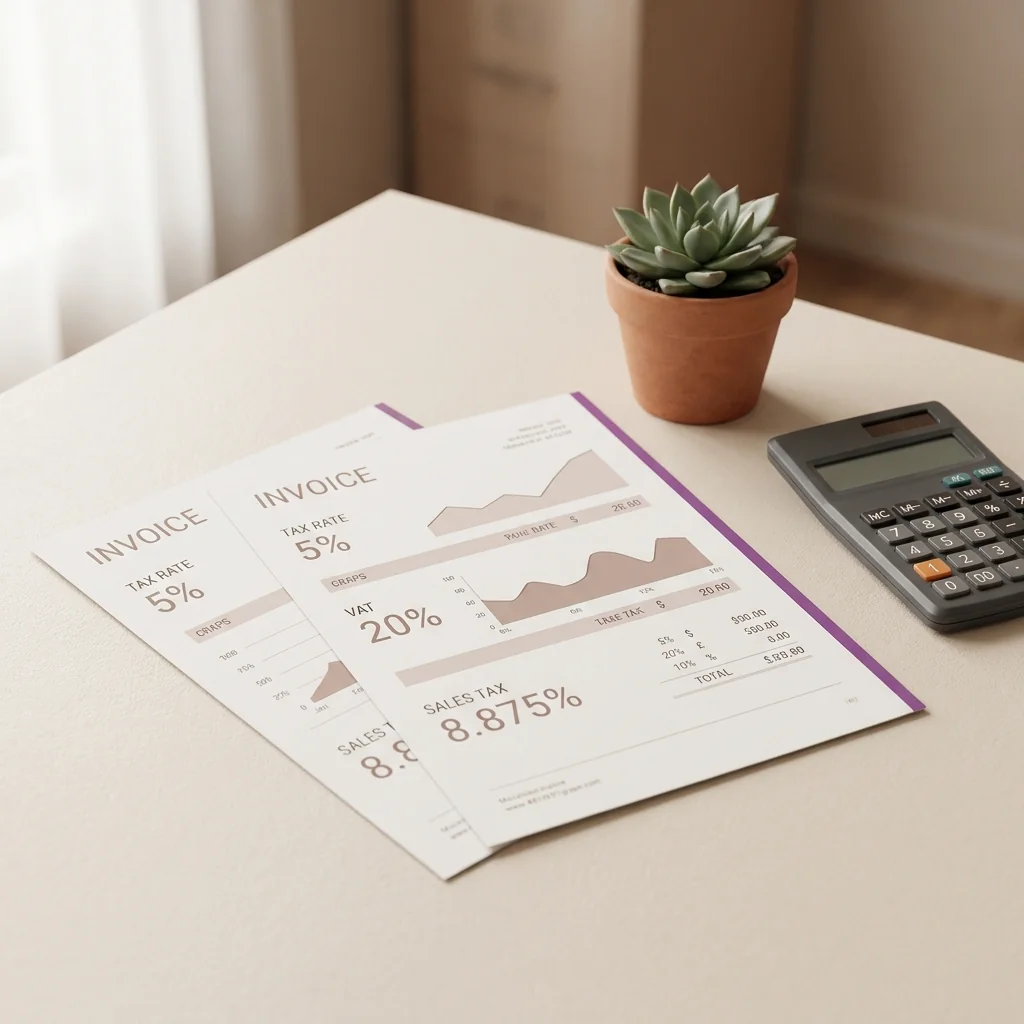
Nothing shakes a customer's confidence like a price that changes when they reach the total. Atlas Core stores every price without VAT, retail, negotiated and promotional alike, and applies tax from the product's Tax Level at the point of sale. Whether a channel chooses to display prices with or without VAT is only a display setting; it never changes the figure underneath.

That separation is what lets a shop show tax-inclusive shelf prices to walk-in customers while a wholesale portal shows tax-exclusive trade prices from the very same catalogue. The customer's own VAT Treatment decides how they are charged, so an export order and a domestic sale come out correctly without anyone maintaining two price books to hold the difference.

The label says what the system says.

the shelf edge

The label says what the system says.

The shelf-edge label and the care tag are just another channel, the oldest one, and they drift for exactly the same reason: they are printed from a copy. When the price on the ticket is generated from the same catalogue that prices the till and the portal, the label stops being a fourth version of the truth and becomes a printout of it.

Reprice a variant in Core and the next label carries the new figure; the care information beside it is drawn from the same product record, not retyped. The bench, the receipt, the portal and the printed ticket end up saying the same thing not because someone checked, but because they were never four separate things to begin with.

atlas core

How Atlas Core keeps one price across every channel

Atlas Core is built so the price only ever exists in one place:

  • A single catalogue that the till (Atlas Cassa) and the wholesale portal (Aviso) both read from — no channel keeps its own price book to drift.
  • One price engine resolving the Retail Selling Price, Price Lists, Sale Offers and Volume Discounts by rules you set centrally, with an optional never-below-cost floor.
  • Catalogue-wide Sale Offers that go live and expire everywhere at once, because the offer lives on the variant, not in a channel.
  • The paid price copied onto each order line at the moment of sale, so moving a price forward never rewrites the history behind it.
  • VAT-exclusive storage with tax applied at the point of sale, so a shop can show tax-inclusive prices and a portal tax-exclusive ones from the identical catalogue.

Read further

Returns don't work with living things Field guide · 2026

Returns don't work with living things

Post back a jumper and you resell it; post back a plant and a week has passed, the roots have sat in a dark box, and what arrives isn't the thing that left. The ordinary distance-selling return was built for goods that keep - a living return needs its own playbook.

8 min read · Jul 2026 Read →

One price, every channel, no arguments at the counter.

Atlas Core keeps the till, the portal and the printed label reading from a single catalogue and one set of pricing rules — so the shelf and the screen never disagree. Talk to us about how it fits your business.