library · field guide

Returns don't work with living things.

A customer can post back a jumper and you sell it again. Post back a plant and a week has passed, the roots have sat in a dark box, and whatever arrives is not the thing that left. The ordinary return was designed for goods that keep. A living return needs a different playbook — one that decides what to refund, what can go back on a bench, and what should never touch your clean stock again.

the mismatch

A return assumes the goods survive the round trip.

Every returns process ever written quietly assumes the item comes back in a state you can resell. With a living thing that assumption is simply false, so the whole shape of the process has to change.

why the ordinary return breaks

You can't restock a plant that's been in a box for a week.

The standard distance-selling return is a clean loop: the customer changes their mind, sends the item back, you inspect it, and it goes back into stock none the worse. It works because a boxed product is the same product a fortnight later. A plant is not.

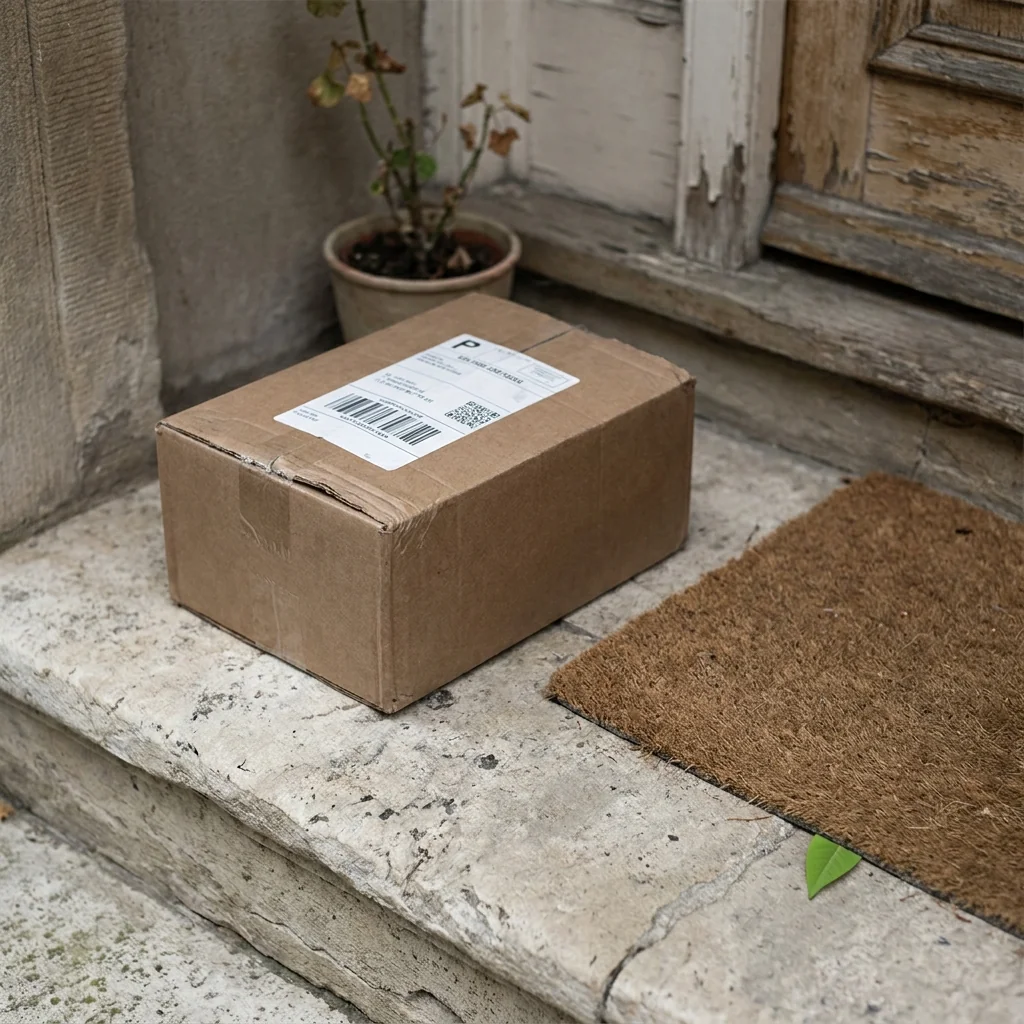
By the time a returned plant reaches you it has been packed in the dark, carried on a second courier run, and starved of light and water for days on top of the days it already travelled out. Even a plant that was perfectly healthy when it left can come back stressed, leggy or shedding leaves, and a plant that was the customer's complaint in the first place comes back worse. The item you get is rarely the item you could sell.

There is a legal wrinkle underneath this too. In much of Europe the distance-selling right to cancel carves out goods that are liable to deteriorate or perish quickly, which many living plants are, so the automatic fourteen-day return a customer expects from a jumper may not apply to a fern at all. That does not make the problem go away. It means the trade has had to invent its own answer, because the off-the-shelf one doesn't fit.
What lands on the goods-in bench is a judgement call.

when it comes back

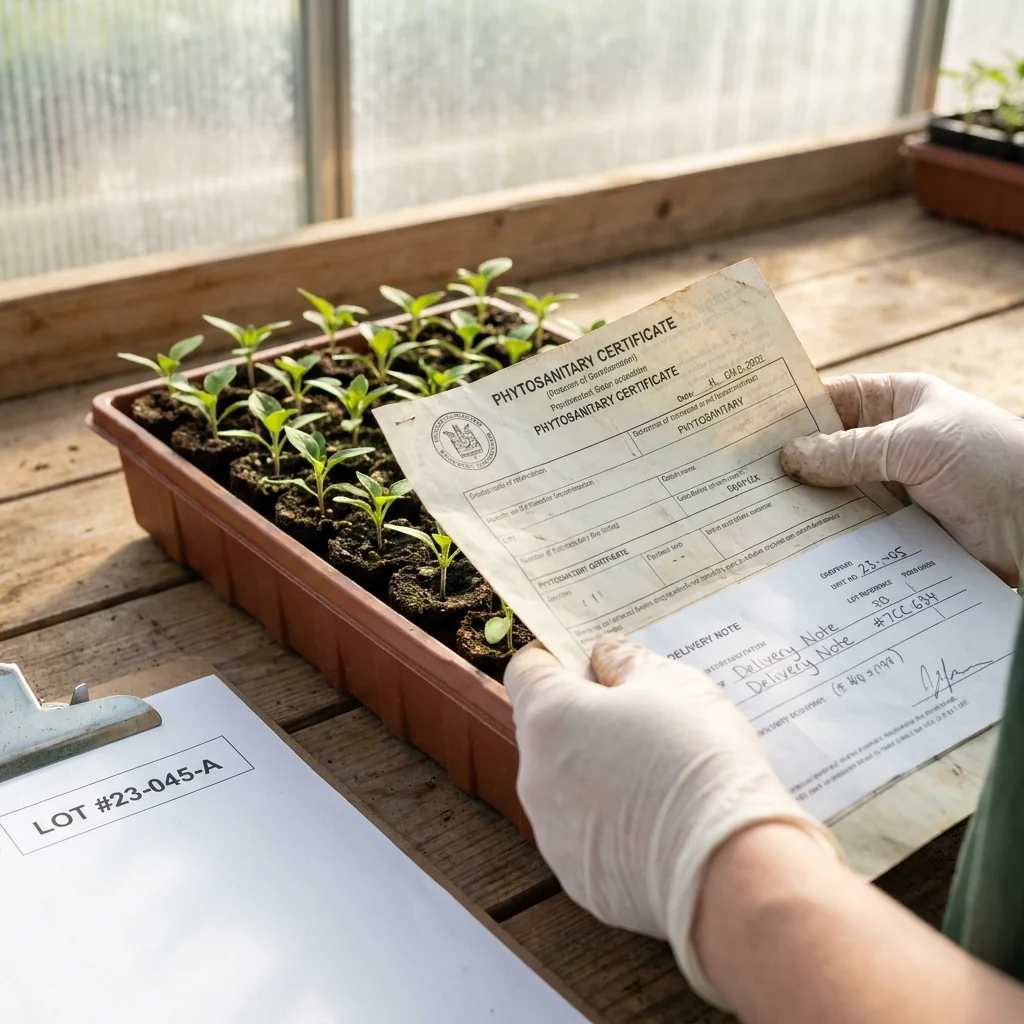
What lands on the goods-in bench is a judgement call.

A returned plant is not a tick-box. Someone has to open the box and decide what they are actually looking at: a plant that is fine and was simply unwanted, a plant that is stressed but will recover on a recovery bench, or a plant that is finished and worth nothing but the pot.

That decision has money on both sides. Book a dying plant back into saleable stock and you have quietly poisoned your own availability: the next customer buys a corpse. Write off a perfectly good plant and you have thrown away margin for no reason. The return has to be inspected and dispositioned by a person, line by line, and the system has to record which way each one went, so a credit is never just a number with no goods behind it.

Book it back in, or write it off — and say which.

two honest outcomes

Book it back in, or write it off — and say which.

For living returns there are really only two truthful endings, and a returns process has to support both. Either the plant is good enough to book back into stock, into a location and a batch you choose so its history is not lost, or it is written off, recorded as gone without pretending it re-entered your saleable count.

Keeping those two paths distinct is what stops a returns process from lying to you. A written-off plant should never inflate stock on hand; a booked-in plant should carry a clear note of where it came from and why it is on a recovery bench rather than the sales floor. The customer gets their money back either way — but your inventory only grows by the plants that genuinely came back fit to sell.

the hidden risk

A returned plant is stock that has been somewhere you cannot see.

It sat in a stranger's house next to who-knows-what, travelled in a shared van, and came back carrying anything it met. Letting it rejoin clean stock unchecked is how one refund becomes an outbreak.

This is the part the clothing-shop returns model never has to think about. A plant that leaves your nursery clean and spends a week in an unknown environment can pick up pests or disease you have no record of — and if it goes straight back onto a bench beside your mother stock and your saleable crop, it brings that risk with it.

So the disposition decision needs a third option beyond "sell" and "scrap": hold it apart. A returned plant that looks fine can still be booked in under quarantine, into an isolated location, flagged and watched, until you are satisfied it is clean enough to release. It costs a little bench space and a little patience. The alternative is finding out the hard way that the cheapest place to stop a problem was the goods-in door, and you walked it straight past.

Quarantine is a disposition, not an afterthought.

hold, then release

Quarantine is a disposition, not an afterthought.

The professional move is to make quarantine a normal outcome of a return. When a plant comes back and you are not certain, you book it into an isolated holding location rather than the main bench: same record, same batch history, different place. You release it to saleable stock only when it has earned it.

That keeps two things true at once. The customer's refund is settled promptly, because their money is not held hostage to the plant's recovery. And your clean stock stays clean, because nothing rejoins it on trust. Isolation on return is the same discipline you already apply to bought-in stock and new mother plants, extended to the one channel most likely to bring a surprise through the door.

Refund, replace, or credit — the plant and the money are separate problems.

making the customer whole

Refund, replace, or credit — the plant and the money are separate problems.

The mistake is to tie the customer's outcome to the returned plant's fate. They are two different jobs. Whether they get a cash refund, a replacement shipped out or credit kept against their account should be decided on the merits of their complaint, not held up while a stressed fern decides whether it will live.

Living-goods trade leans on refund-and-replace precisely because dragging a half-dead plant back and forth helps no one: often the kindest, cheapest resolution is "keep it, here's another" or "keep it, here's your money," with no physical return at all. A good process lets you record the credit, choose whether the goods actually come back, apply a restocking fee only where it is fair, and settle in cash or store credit — so the books balance whether or not a plant ever retraces its steps.

atlas core

How Atlas Core handles living returns

Atlas Core models a return as a credit note: its own document, linked to the order it reverses, that runs a deliberate workflow instead of a single "refund" button:

  • A staged process: Draft, Restocking, Pending refund, Completed, so the goods decision and the money decision happen in the right order and nothing is settled by accident.
  • Two honest dispositions per line: book in or write off. Booking a returned plant back in writes it into a location and batch you choose, with an option to quarantine, through the same stock service everything else uses; a write-off is recorded without ever re-inflating saleable stock.
  • Refund or store credit, settled against an automatically issued credit invoice, with an optional restocking fee applied only where your policy says it's fair.
  • A line-level link to the source order that tracks already-credited quantities, so a line can never be over-credited and every credit has goods, or a recorded write-off, behind it.
  • One stock ledger throughout, so a booked-in return, a quarantined hold and a write-off all move stock the same auditable way, with no numbers that only exist on the returns screen.

Read further

Too cold to post this week Field guide · 2026

Too cold to post this week

A plant posted into a cold snap can arrive frozen days later, when the sale and the goodwill are already gone. Reading the forecast at both ends, packing against the cold, and knowing when a living thing simply shouldn't go in the post at all.

7 min read · Jul 2026 Read →

See how Atlas Core handles returns on living stock.

Credit notes in Atlas Core turn a messy, high-risk return into a controlled workflow — inspect, book in or write off, quarantine on doubt, and settle in cash or credit. Talk to us about how it fits your nursery.