library · field guide

Why mother plant management matters more than ever.

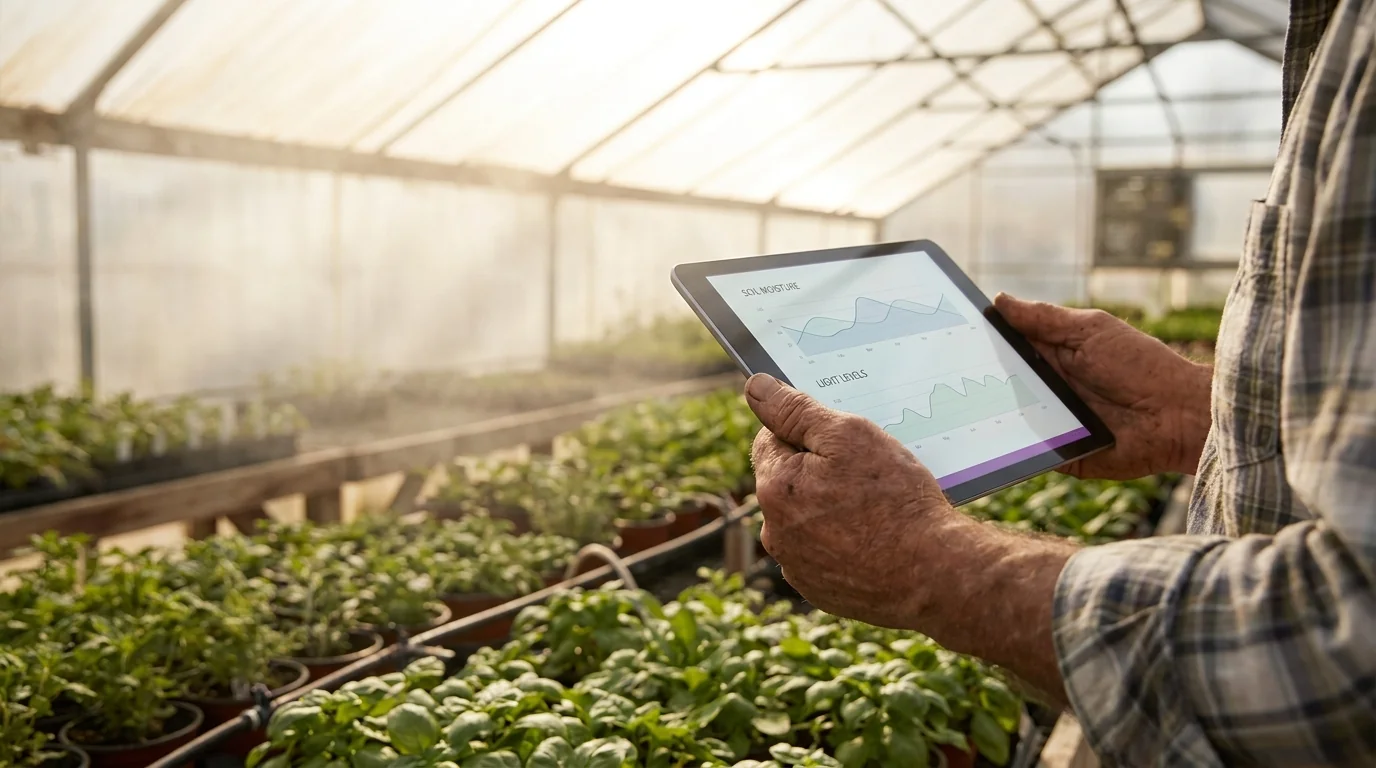
A single stock plant is the source of thousands of plants over many years — and how you manage it now matters more than ever, under a tightening legal framework, a less predictable climate, and customers who expect proof rather than promises.

the shift

It all lands on one humble document.

Regulation, climate and public scrutiny are all pushing in the same direction, and the document they land on is the mother plant register.

the quiet asset

The plant behind every plant you sell.

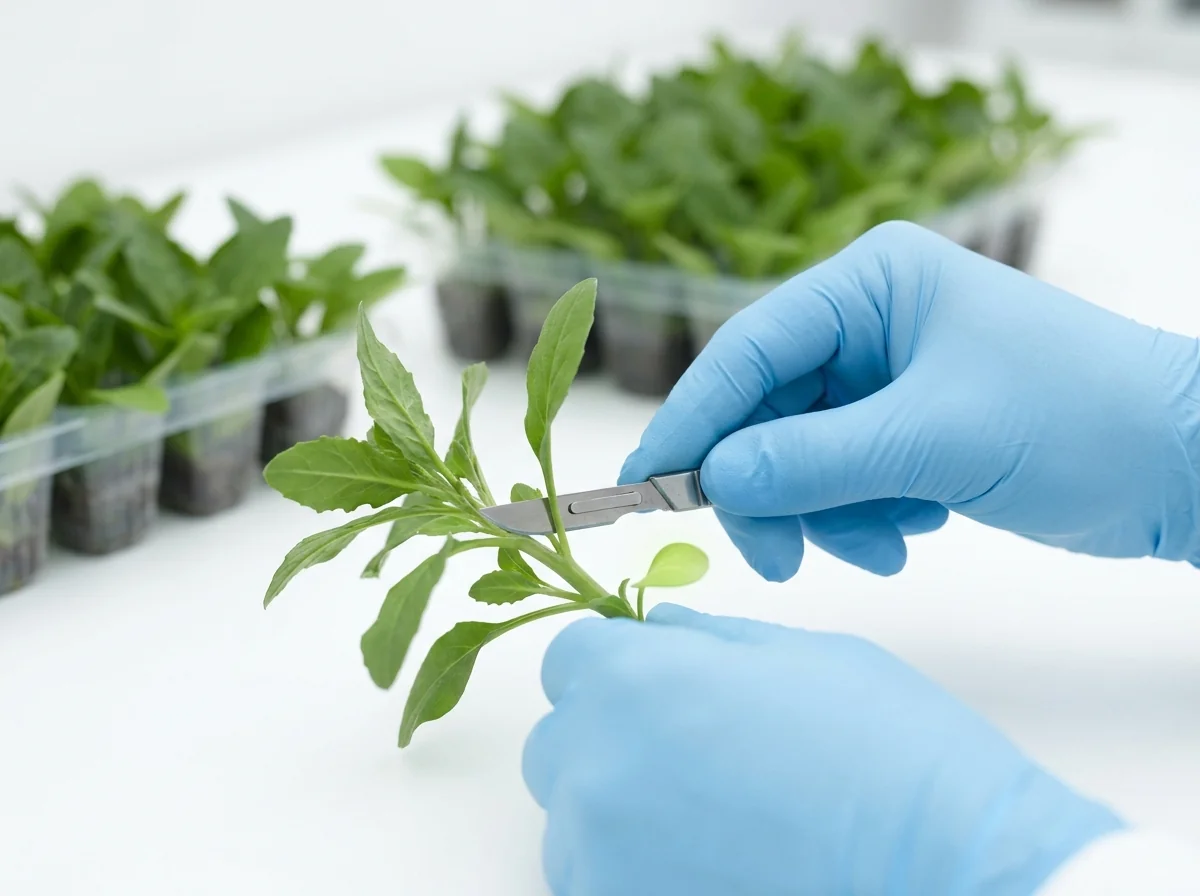
Walk any propagation nursery and the mother plants rarely look like the most important thing in the building. They are not for sale. They sit in the corner of the glasshouse, cropped and unglamorous, while the saleable stock gets the attention. Yet everything you propagate inherits them. A vegetative cutting, division or graft is a genetic copy of its parent — so the value of a plant, and the risk in it, is decided long before it reaches a customer.

That single fact is why a mother plant register earns its keep. It is where the provenance, health, family tree and productivity of your propagation sources are written down once and relied on by every plant that follows.

What has changed is the stakes. Three pressures have moved at once, and each one raises the value of keeping that record well.
The legal ground has shifted.

the legal framework

The legal ground has shifted.

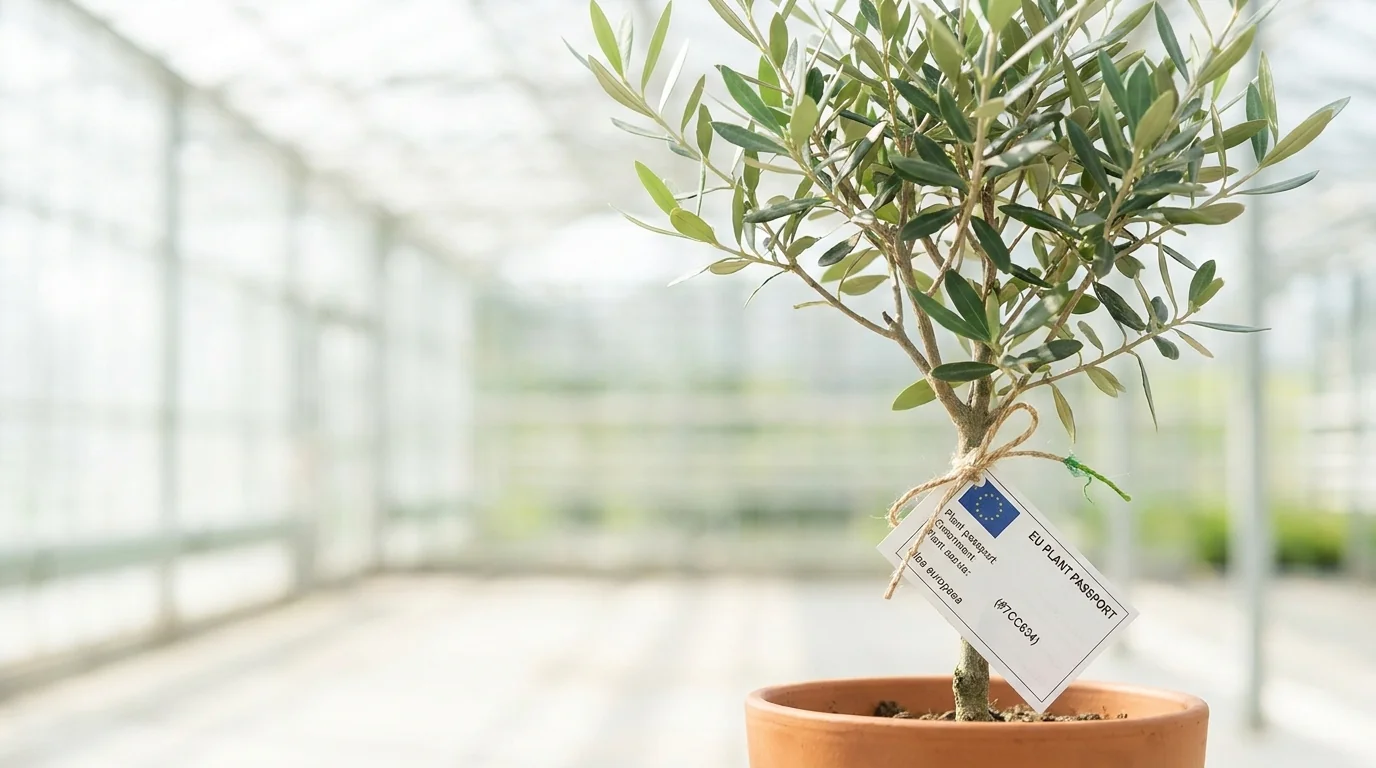
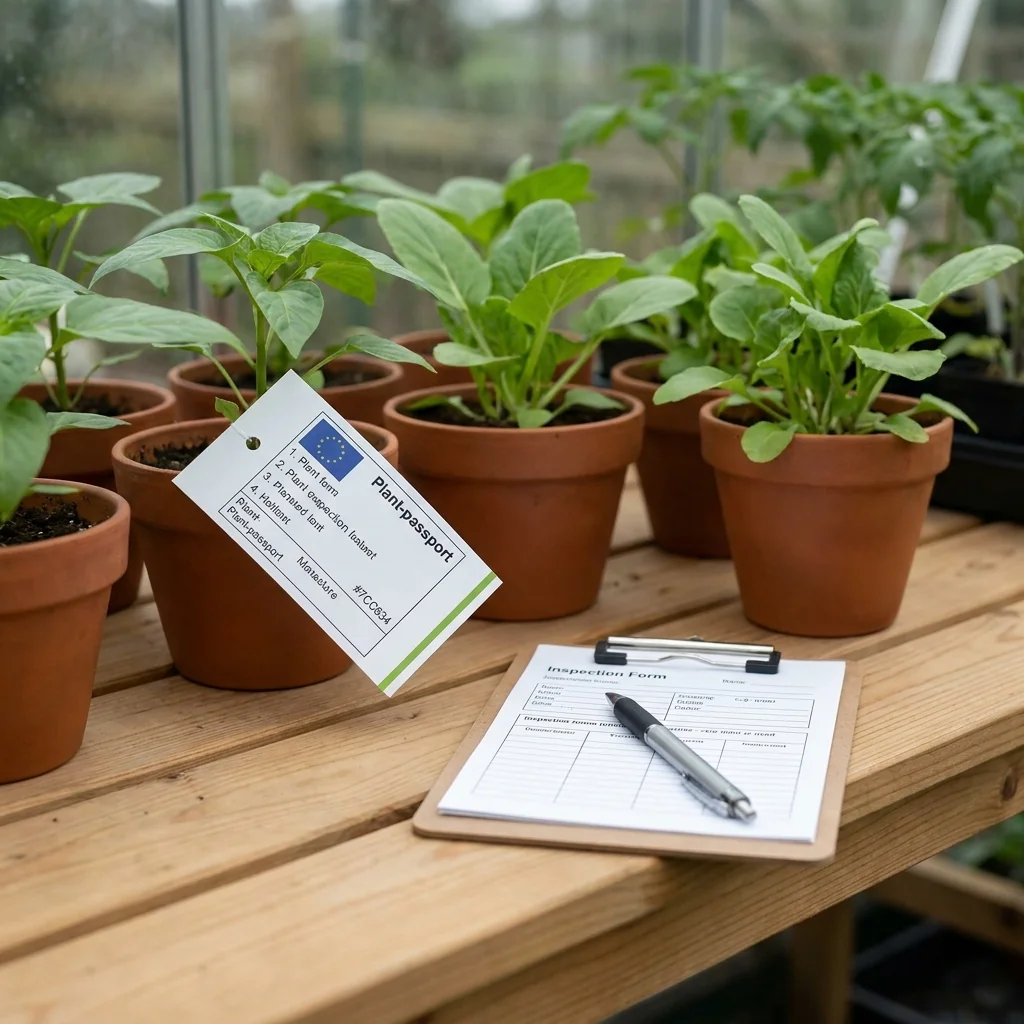
The EU plant-health regime, built on Regulation (EU) 2016/2031, extended the plant passport to virtually all plants for planting moved between professional operators, and made traceability a legal obligation rather than good manners. Operators must be able to trace stock one step back to its supplier and one step forward to where it went.

A passport is only as honest as the records behind it. The mother plant register is where that honesty lives: the source, the accession date, the lineage and the health history that let you stand behind every passport you issue — and answer an inspector without scrambling.

A climate that won't sit still.

a changing climate

A climate that won't sit still.

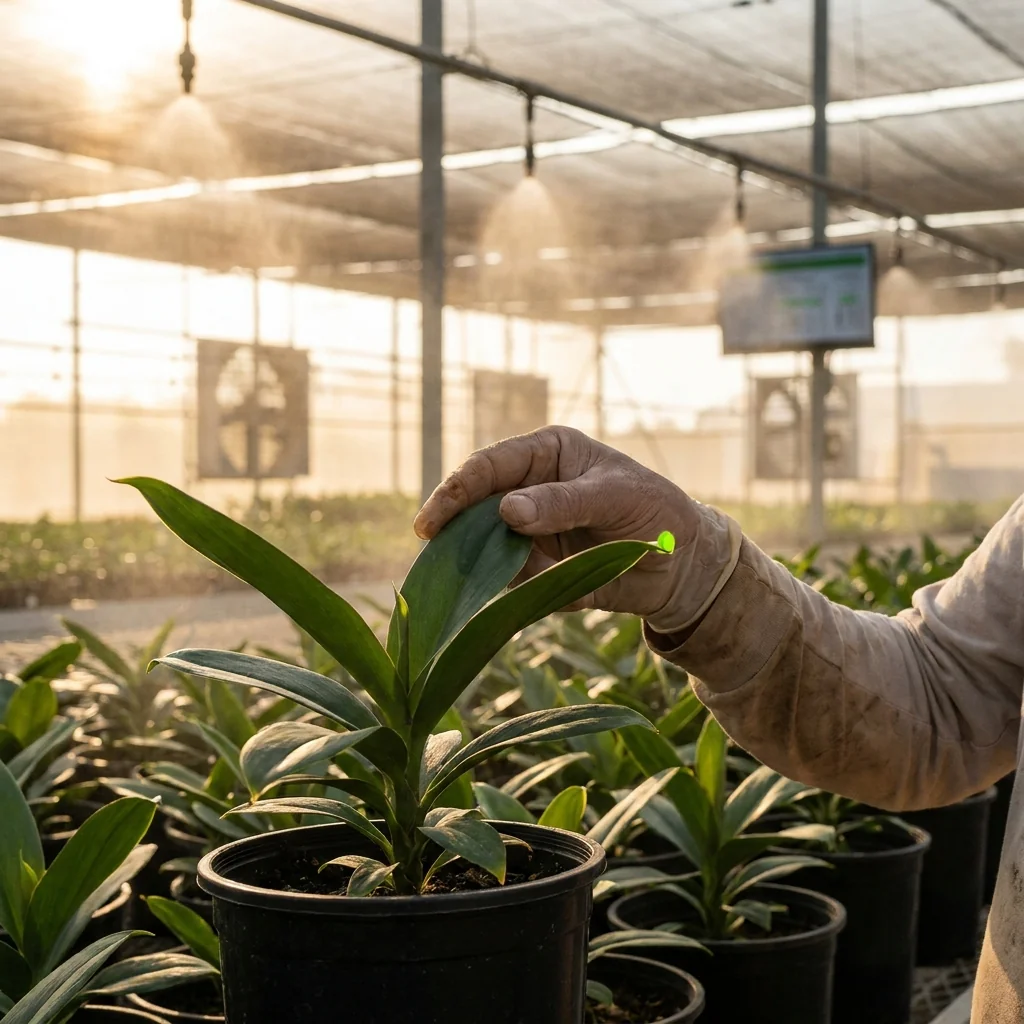
A warming, less predictable climate is moving pests and pathogens into ranges they never reached before, and pushing growing seasons out of their old rhythm. The plants that cope are the ones that start clean, vigorous and true to type — exactly what a well-kept mother holding produces.

When a new pressure arrives, the register is how you respond deliberately rather than react blindly: inspect on a cadence, quarantine on suspicion, renew an ageing line for fresh rooting vigour before it fails. Resilience is not luck. It is managed, one mother at a time.

public awareness

Traceability is now a promise to the customer.

Buyers, wholesale and retail alike, increasingly ask where a plant came from and how it was grown. A clear answer has stopped being a nicety; it is the mark of a serious grower.

For most of horticulture's history, "trust us, it's clean" was enough. It is not any more. A garden centre fielding questions about plant origin, a landscaper specifying disease-free stock, an inspector following a passport — each one is asking the same thing, and each is reassured by a grower who can answer on demand, from the record.

This is where traceability stops being a compliance cost and starts being a competitive edge. Being able to show the lineage of a line, the dates of its health checks, the certificate behind a clean claim: that is professionalism made visible. It is the quiet difference between a supplier a buyer hopes is reliable and one they know is.

Proof you can put your name to.

professionalism, evidenced

Proof you can put your name to.

Because a cutting inherits everything the mother carries, good and bad, clean stock is the foundation of a defensible claim. A register that logs inspections, lab tests, treatments and certifications turns "we think it's clean" into "here is the record."

The same thread runs all the way to the saleable plant: a good register lets you trace every saleable batch back to the mother it came from and the propagation event that produced it. When a customer or an inspector asks, the answer is already written down.

Sustainability starts with the mother plant.

sustainable nurseries

Sustainability starts with the mother plant.

Sustainable horticulture goes beyond peat and packaging; it is about not wasting what you grow. Propagating from healthy, vigorous, true-to-type mothers means fewer failed crops, less chemical firefighting, and less bought-in stock with its carbon and biosecurity risk in tow.

Managing generations well keeps a line productive for years instead of collapsing and being replaced. Renewing vigour before output falls, spreading demand so no single mother is exhausted — this is sustainability expressed as daily practice.

atlas core

How Atlas Core handles the mother plant register

Atlas Core turns the discipline above into a working record:

  • One record per mother plant capturing provenance, accession date and the full lineage tree — the origin you can't reconstruct later is written down once at intake.
  • A health log attached to each mother (inspections, lab tests, treatments, certifications) that produces the evidence behind every plant passport and answers an inspector without scrambling.
  • Generation tracking on every propagation, so you always know how many steps a plant is from its foundation line.
  • End-to-end batch traceability linking each saleable batch back to its mother and propagation event — one step back and one step forward, on demand.
  • A productivity-trend view per mother that flags over-cropping and declining vigour early, so you rest, spread demand across siblings, or renew a line before output collapses.

Read further

See how Atlas Core keeps the line clean.

The mother plant register in Atlas Core turns these habits into a working system — provenance, health records, the lineage tree and the productivity trend, all on one screen. Talk to us about how it fits your nursery.