library · field guide

What a growing plant actually costs.

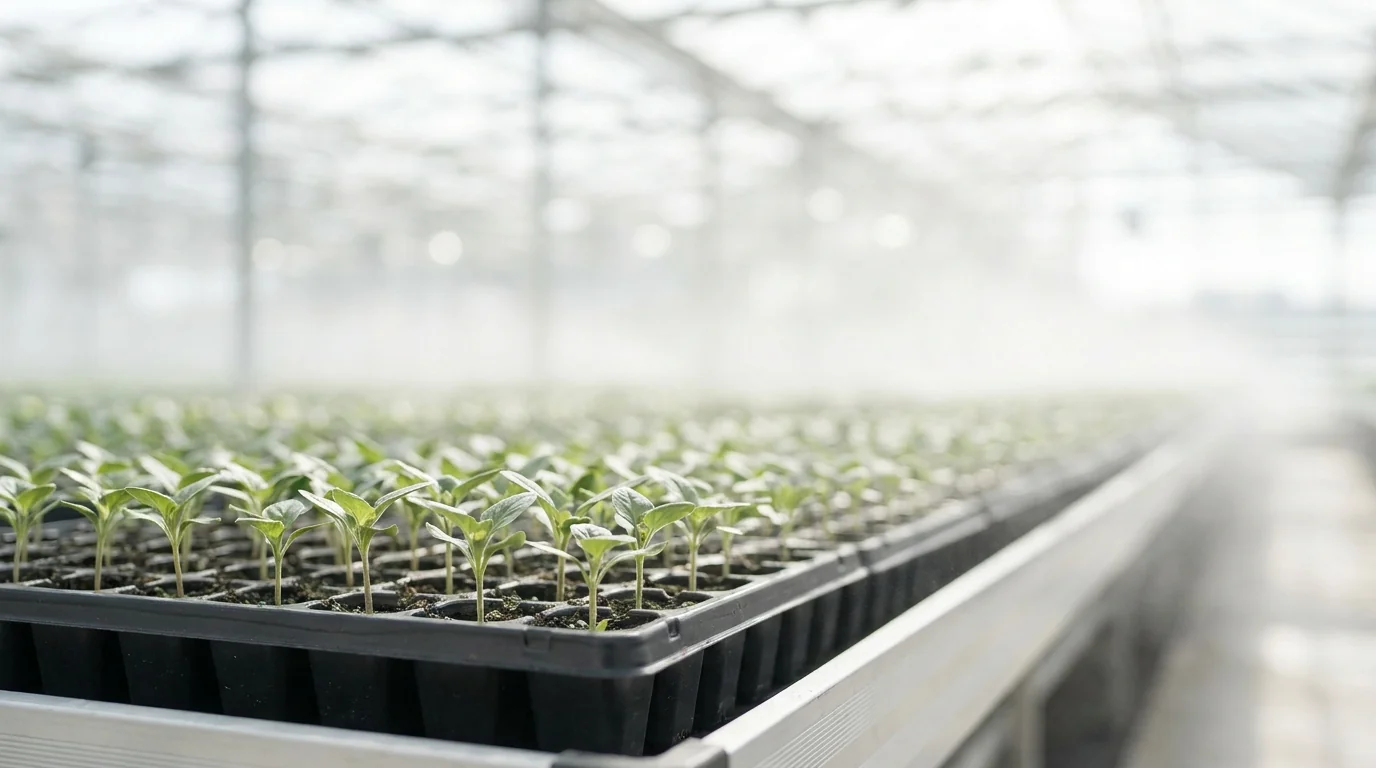
In a warehouse, a unit costs what you paid for it and that figure never moves. A nursery is different: a plug arrives at 40 cents and leaves eighteen months later as a 3-litre worth twenty times as much — its cost changed while it stood still in the field. That single fact breaks the way most stock systems do costing.

the problem

The unit that changes value while it sits still.

Every other inventory system assumes a thing is worth what you paid for it until the day it sells. Living stock quietly violates that assumption every week it spends growing.

why nursery costing is different

Off-the-shelf costing was built for boxes.

Most inventory systems were designed around a tin of beans. You buy it for a price, it sits on a shelf at exactly that price, and one day it sells for that price plus a margin. The cost of the thing is fixed at the moment it arrives and never moves again. Pick almost any ERP off the shelf and this assumption is wired into its bones.

A nursery breaks it on day one. The plug you receive at 40 cents is not the plant you sell. Over a season or three it is potted on, fed, spaced, pruned and grown — and the cost of standing it in your field climbs the whole time. By the time it ships as a finished 3-litre it might have cost you two euros to produce, and not one cent of that was the original purchase price you keyed in at goods-in.

So a system that fixes cost at intake has no answer at all to the honest question: what does this plant actually cost me? Getting it right is not an accounting nicety. It is the difference between knowing your margins and guessing them.

The first cost is rarely the price on the invoice.

where cost begins

The first cost is rarely the price on the invoice.

Even before a plant starts growing, its real cost is more than the line on the supplier's invoice. Freight, duty and handling all attach to the goods — and they have to be spread fairly across what actually arrived, not the quantity you ordered.

The honest starting figure is the batch's landed cost: the purchase price with freight, duty and handling apportioned across the units actually received, booked at goods-in. Created that way, the batch carries its true delivered cost before a single leaf has grown.

Cost accrues, stage by stage, as the plant grows.

where cost grows

Cost accrues, stage by stage, as the plant grows.

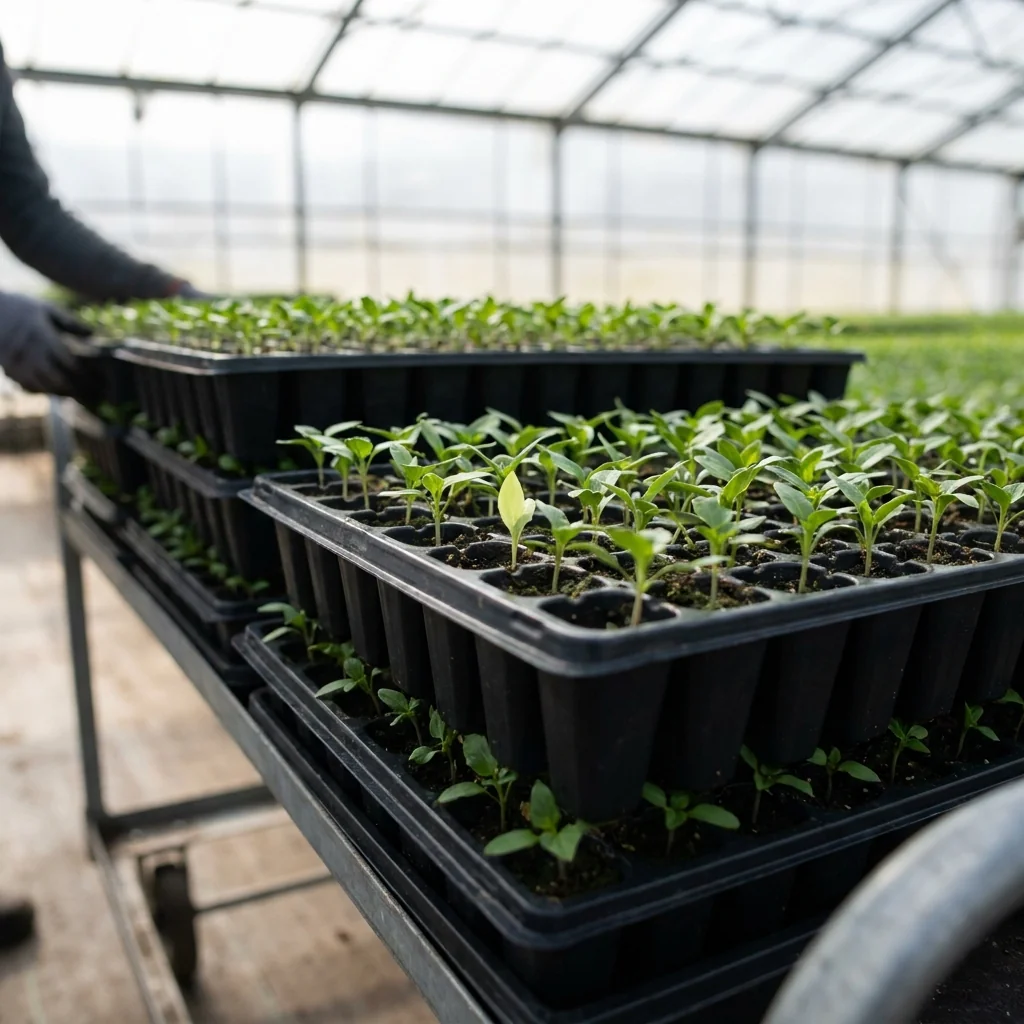
The bulk of a finished plant's cost is added after intake — out in the field, over months. A production cycle follows a protocol, and as the crop moves through its stages it consumes real things: compost, pots, a young plant booked out of another batch, the labour of potting and spacing.

A costing system worth its salt records each of those as it happens. Materials drawn from stock leave at their own cost; the accrued cost for each stage in isolation is there to read, so you can see what propagation cost versus what growing-on cost. When the cycle finishes, its output is booked into stock as a new batch — and that batch carries the full cost the plant accumulated becoming itself.

FIFO vs. AVCO

Which cost leaves when the plant does?

When you sell from a bench holding three intakes grown to the same grade, whose cost goes out the door — the oldest, or a blended average? On living stock that single choice quietly reshapes your margin.

Here is where the textbook methods collide with reality. FIFO assumes the oldest unit leaves first. AVCO, the weighted average, smears every intake into one blended cost per line. Both were written for identical, interchangeable units, and both quietly mislead the moment your units are not identical.

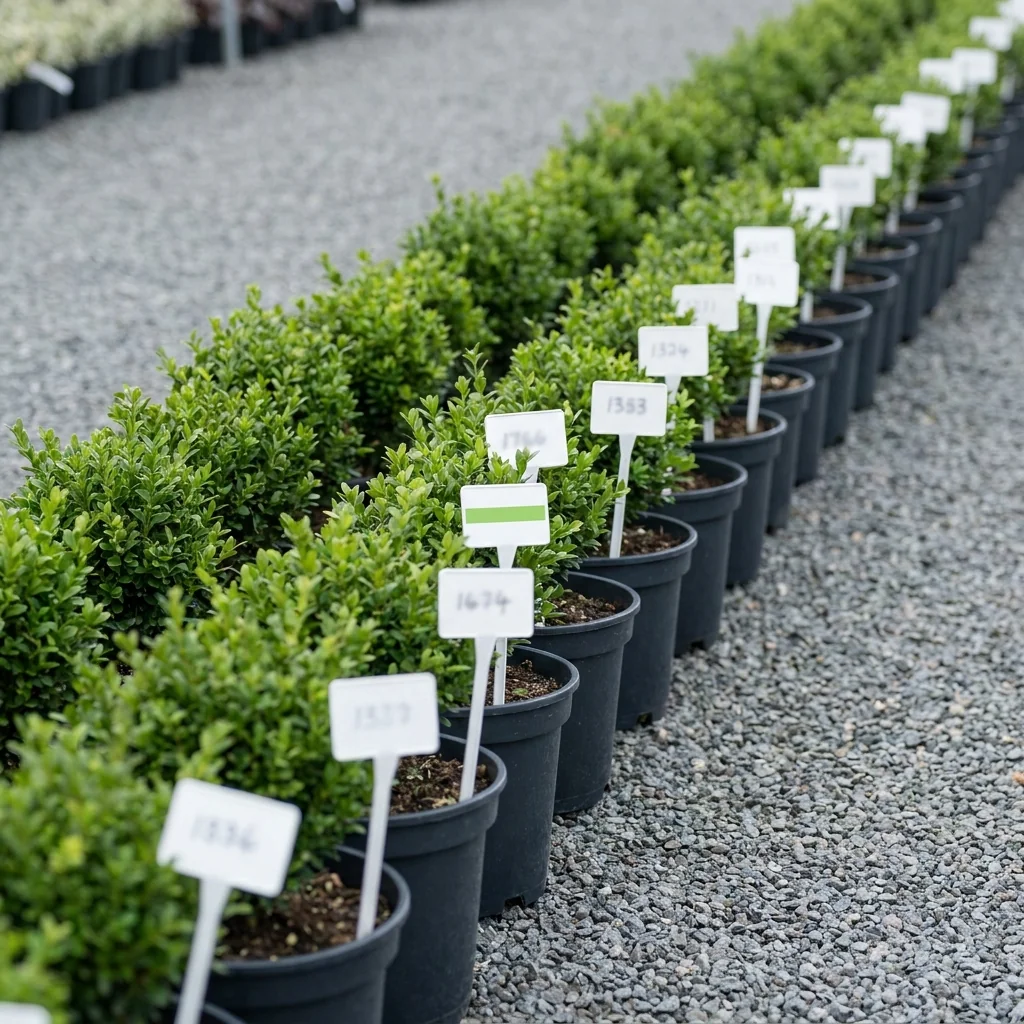
Picture a bench of the same variety at the same grade, built from three different intakes: one you grew from seed, one bought as a liner last spring, one a bargain end-of-line plug. They look the same to a customer. They cost wildly different amounts to stand. Blend them into a single average and you lose that — you can no longer tell the profitable line from the one you barely broke even on.

The answer is to cost at the batch. Every batch remembers its own actual cost, landed or grown, and the strategy you set decides which batch ships first: oldest-first (FIFO), newest-first (LIFO), or soonest-to-expire (FEFO, the natural fit for perishable stock). The cost that leaves with the sale is that batch's real cost. On living stock, the difference between two batches is the whole story.

The batch is where cost actually lives.

the unit of truth

The batch is where cost actually lives.

A batch is one lot of one variant in one location, and it carries its own cost, expiry and sellable flag. The same variety on two benches is two batches — because they may have cost two different amounts to produce, and pretending otherwise throws the truth away.

Stock itself is never a number someone edits. Every receipt, move, scrap and shipment is a logged movement, and the quantity, along with its value, is the live sum of them. Nothing is silently overwritten, so when a margin looks wrong the history shows exactly which batch, at which cost, accounts for it.

Mortality is a cost the survivors carry.

the cost of loss

Mortality is a cost the survivors carry.

Living stock dies, grades down and gets culled — and unlike a dropped tin, that loss is a normal, recurring part of growing. The money spent on a plant that never made it to sale does not simply vanish; in truth it is carried by the plants that did.

When scrap, quarantine and grading are logged as movements against the batch, the loss is visible rather than buried — you can see attrition as it happens and read its rate per batch. That honesty is what lets you price a crop knowing that a tray of two hundred will sell as a hundred and eighty, and cost accordingly.

atlas core

How Atlas Core handles costing for living stock

Atlas Core is built for stock that changes value while it stands still:

  • Landed cost at goods-in — purchase price with freight, duty and handling apportioned across the units actually received, so every batch starts life carrying its true delivered cost.
  • Production cycles accrue real cost stage by stage: compost, pots, liners drawn from other batches and the labour of potting and spacing, with each stage's accrued cost readable in isolation.
  • Costs at the batch, not the blended line — every batch remembers its own actual cost, so a profitable intake is never hidden behind an average of unlike plants.
  • Consumption strategy is a deliberate choice of FIFO, LIFO or FEFO, and the real cost of the chosen batch leaves with each sale.
  • Scrap, quarantine and grading are logged as movements — so mortality folds into cost and stock value is the live sum of movements, never a number someone edits.

Read further

See how Atlas Core costs living stock.

One system built for stock that changes value while it stands, from goods-in to sale. Talk to us about how it fits your nursery.