A pallet of tiles either arrives broken or it doesn't. You can see it, photograph it, sign for it or refuse it, all in the ninety seconds a driver is standing at your door. Horticulture does not get that courtesy.
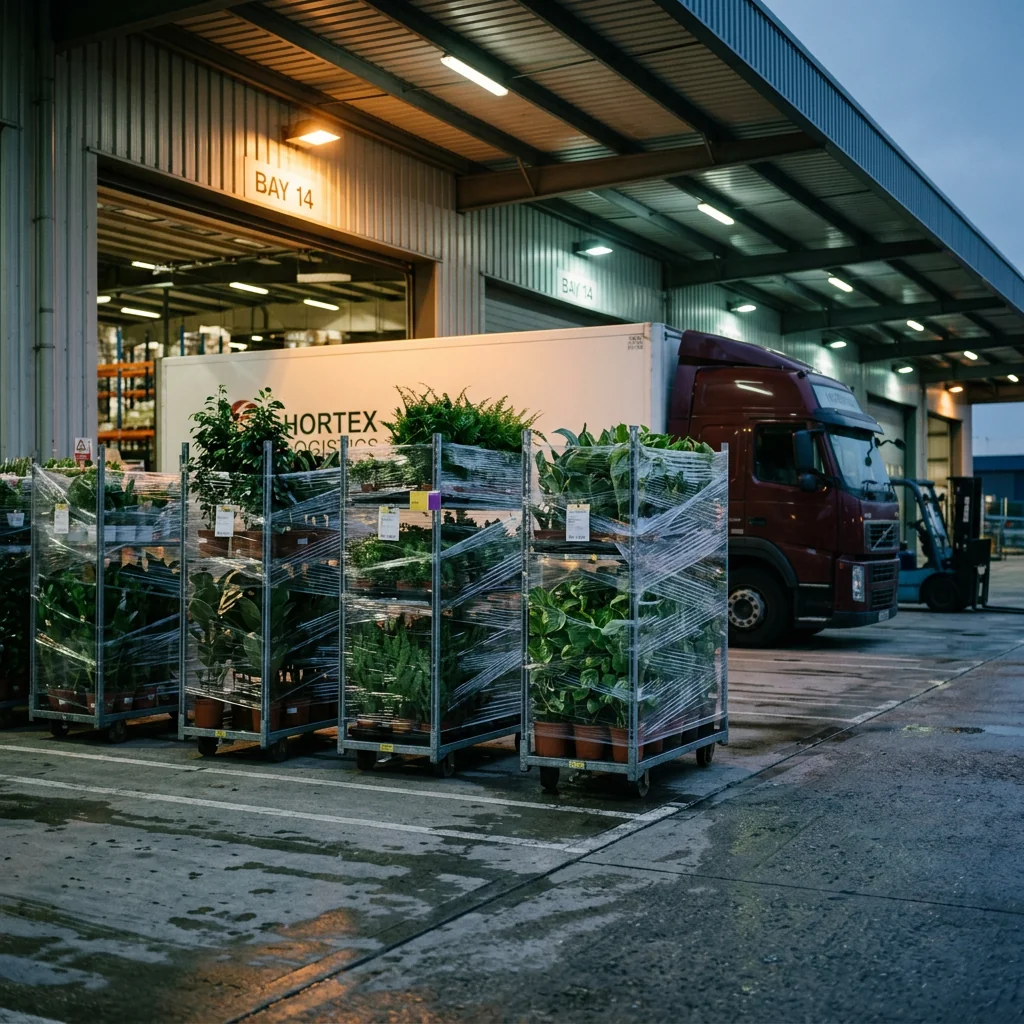
A plant is a slow witness. It carries what happened to it in transit and reports it later — often ten days to three weeks later, long after the trolleys have been unwrapped, the paperwork filed and the lorry sent on to five other jobs. By the time the symptoms appear, the load is no longer a load. It is stock on a retail bench, or a landscaping job halfway planted, and the conversation is no longer about a journey. It is about whether you sent out poor plants.
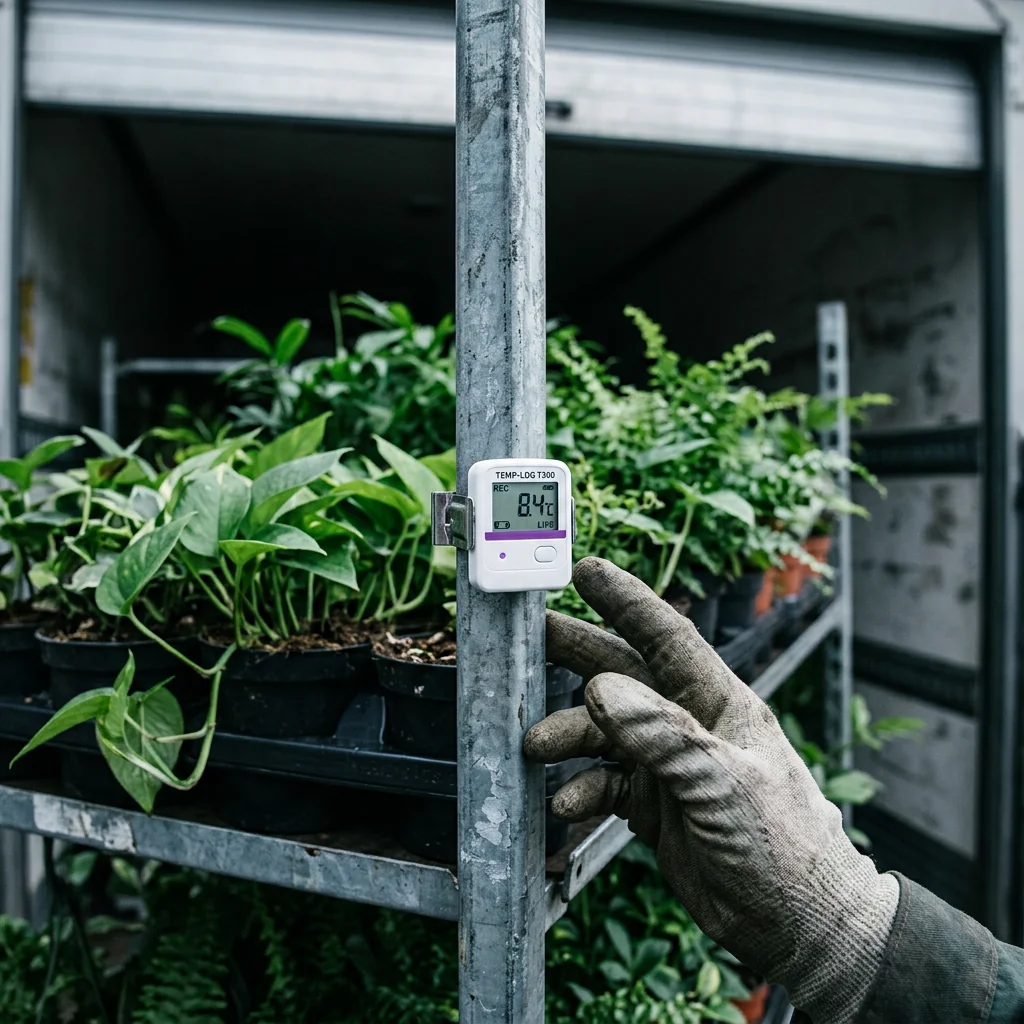
That gap between cause and symptom is the whole problem. It breaks the feedback loop that would otherwise fix things. A haulier who bruises glassware learns about it that afternoon; a haulier who lets a trailer sit at four degrees over a weekend hears nothing at all, and does it again next week. The damage is real, it is repeated, and it is uncosted — which in practice means the grower absorbs it.