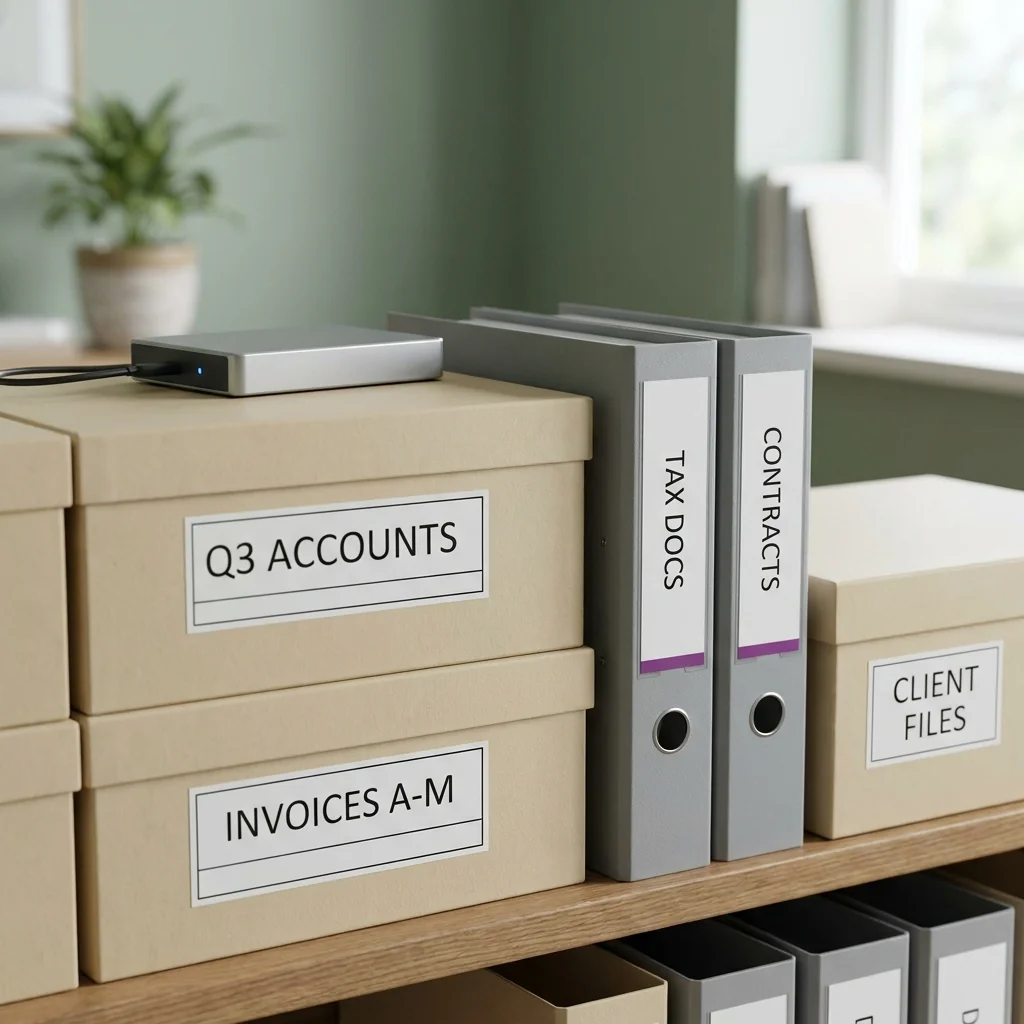
library · tech brief

A stolen laptop shouldn't end your business.

A drive fails, a laptop walks out of the office, a careless click deletes a season of records. For a business still run from a single machine, any one of those is a catastrophe. It does not have to be. Here is what backups actually protect you from — and why a nursery's records should never live in one place you can lose.

the premise

Your business should not live on one machine.

Stock, customers, prices, orders, the lot: the records that run a nursery are too valuable to sit on a laptop that can be dropped, stolen or fried by a power cut. Where your data lives matters as much as what it says.

the single point of failure

The risk most nurseries never notice.

Walk into a lot of growing businesses and the entire operation is quietly balanced on one device. The stock figures live in a spreadsheet on the office PC. The customer list is on the manager's laptop. The price list is a file someone emails around. It works — right up until the moment it doesn't.

Because every one of those is a single point of failure. One spilled coffee, one theft from the van, one ransomware email opened by a tired member of staff, and the record that runs the business is gone, or locked away behind a stranger's demand for money. There is no second copy, because nobody ever decided there should be one. The business was one bad day away from starting again from memory, and didn't know it.

A cloud-hosted system is built the other way round: your data does not live on a machine in your office at all. It sits on managed, professionally run servers, backed up as a matter of routine, so the device in your hand becomes a window onto your business rather than the only place it exists.
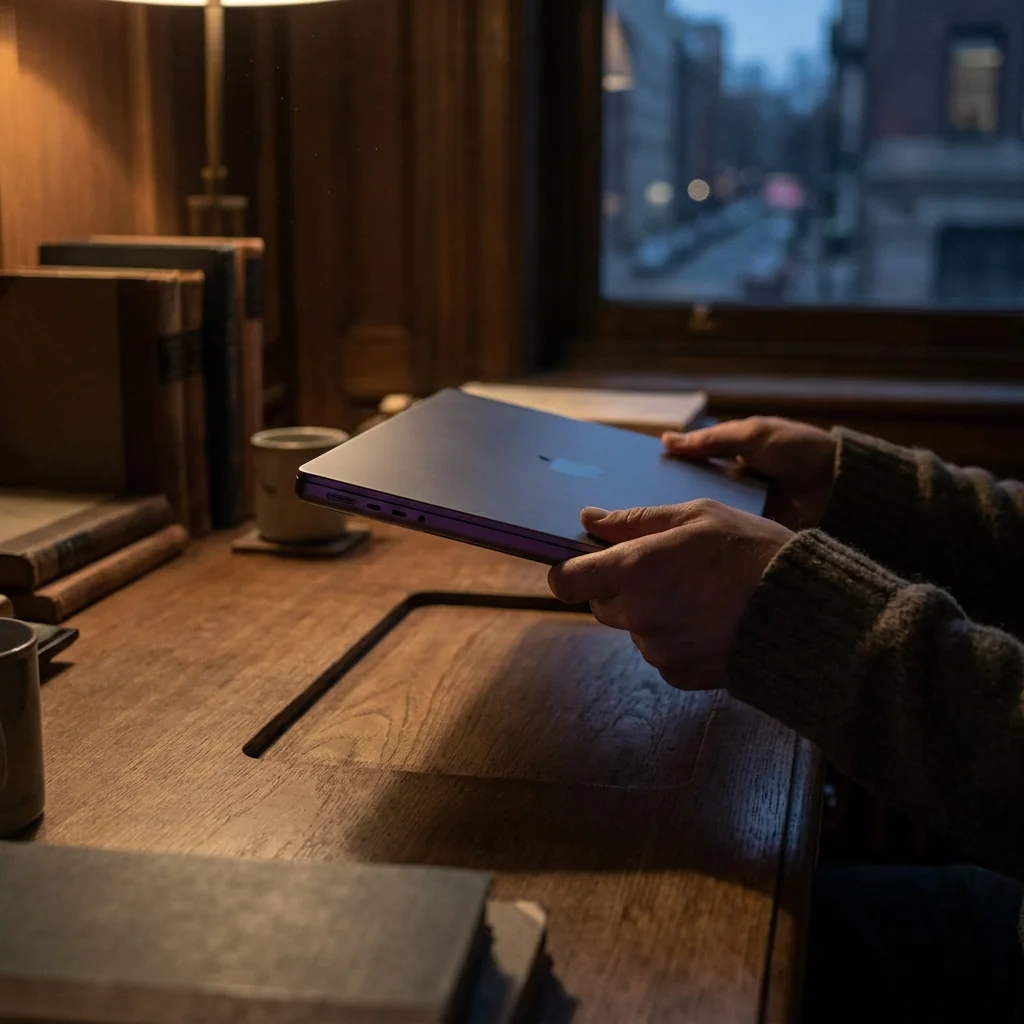

The accidents you cannot plan around.

what backups are for

The accidents you cannot plan around.

A backup is cover for the ordinary accidents that arrive without warning. Hardware fails; drives die, often with no notice. Things get stolen: a laptop from a car, a phone from a bench. Premises flood and burn. Ransomware encrypts everything it can reach and asks for payment. And most common of all, people make mistakes — the wrong file overwritten, the wrong batch deleted, the wrong button pressed at the end of a long day.

You cannot predict which one will visit you, or when. What you can decide, in advance, is whether any single one of them is allowed to be fatal. A current, off-machine backup is the difference between an afternoon's inconvenience and a closed business.

A copy that survives the thing that took the first.

more than one copy

A copy that survives the thing that took the first.

A backup only counts if it is somewhere else. A second file on the same laptop dies with the laptop; a copy on a USB stick in the same drawer burns in the same fire. The whole point of a backup is separation: that it lives apart from the thing it is protecting.

Because a cloud-hosted system runs on managed infrastructure, that separation is built in rather than left to a habit no one keeps up. Your data sits on professionally maintained servers and is backed up as a matter of routine, held apart from the day-to-day machine you work on.

the real question

The question is not whether a device dies. It is what happens next.

Every laptop is eventually lost, broken or replaced. On a system built around one machine, that day is a disaster. On a cloud-hosted one, it is a Tuesday — you pick up another device and carry on.

Here is the quiet shift that cloud hosting brings. When your business lives on managed servers rather than on the computer in front of you, the computer in front of you stops mattering. It holds nothing irreplaceable. Lose it, break it, leave it on a train, and your stock figures, your customers and your orders are all exactly where they were, waiting behind a login on whatever device you pick up next.

That is what turns a stolen laptop from an ending into an errand. The thief gets a piece of hardware and a login screen; they do not get your business, because your business was never on that machine. You sign in from another browser, at home or on a borrowed computer, and trade the same afternoon.

When deletion is no longer final.

mistakes become recoverable

When deletion is no longer final.

The scariest word in any system that holds your livelihood is delete. On a lone spreadsheet, a deletion is final the moment you save over it — the only undo is whatever you can remember. That fear makes people timid with their own records, hoarding files "just in case" and trusting nothing.

When your data lives on backed-up, managed infrastructure, a mistake stops being a catastrophe and becomes something that can be put right. Because routine backups capture the state of your records over time, the question after a bad deletion changes from "is it gone forever?" to "which point do we restore from?"

The business keeps its records when a person goes.

people leave, data stays

The business keeps its records when a person goes.

There is a second way a single machine fails you: it walks out of the door with the person who used it. When the customer list lived on one employee's laptop, their departure took the business with them, or left everyone hoping the handover was complete. Knowledge and data both leave with the individual.

A cloud-hosted system separates the two cleanly. The data belongs to the business, sitting on its own instance; people are given logins and roles that reach it. When someone leaves, you switch their access off and the records stay exactly where they were — nothing to retrieve from a personal device, nothing held hostage. The plants, prices and customers were never theirs to take.

atlas core

How Atlas Core handles backups and resilience

Atlas Core applies these principles by default, so resilience is something you get rather than something you maintain:

  • Cloud-hosted by default — your stock, customers, prices and orders live on managed, professionally run servers, never on an office PC or laptop that can be dropped, stolen, flooded or fried.
  • Routine off-machine backups run automatically, held separately from the working system, so a current copy always survives the event that took the original — no USB sticks or server cupboard to keep up.
  • Device-independent access — lose or replace a laptop and you sign in from any browser and keep trading the same afternoon, because nothing irreplaceable was ever on the device.
  • Point-in-time recovery turns an accidental deletion from a catastrophe into a restore — the question becomes which point to roll back to, not whether a season is gone.
  • Access belongs to the business through logins and roles, so when a member of staff leaves you switch their access off and every plant, price and customer record stays exactly where it was.

Read further

Build your nursery on ground that does not wash away.

Safe by default from the accidents you cannot plan around — Atlas Core keeps the records that run your business protected, current and reachable from any device. Talk to us about how it protects yours.