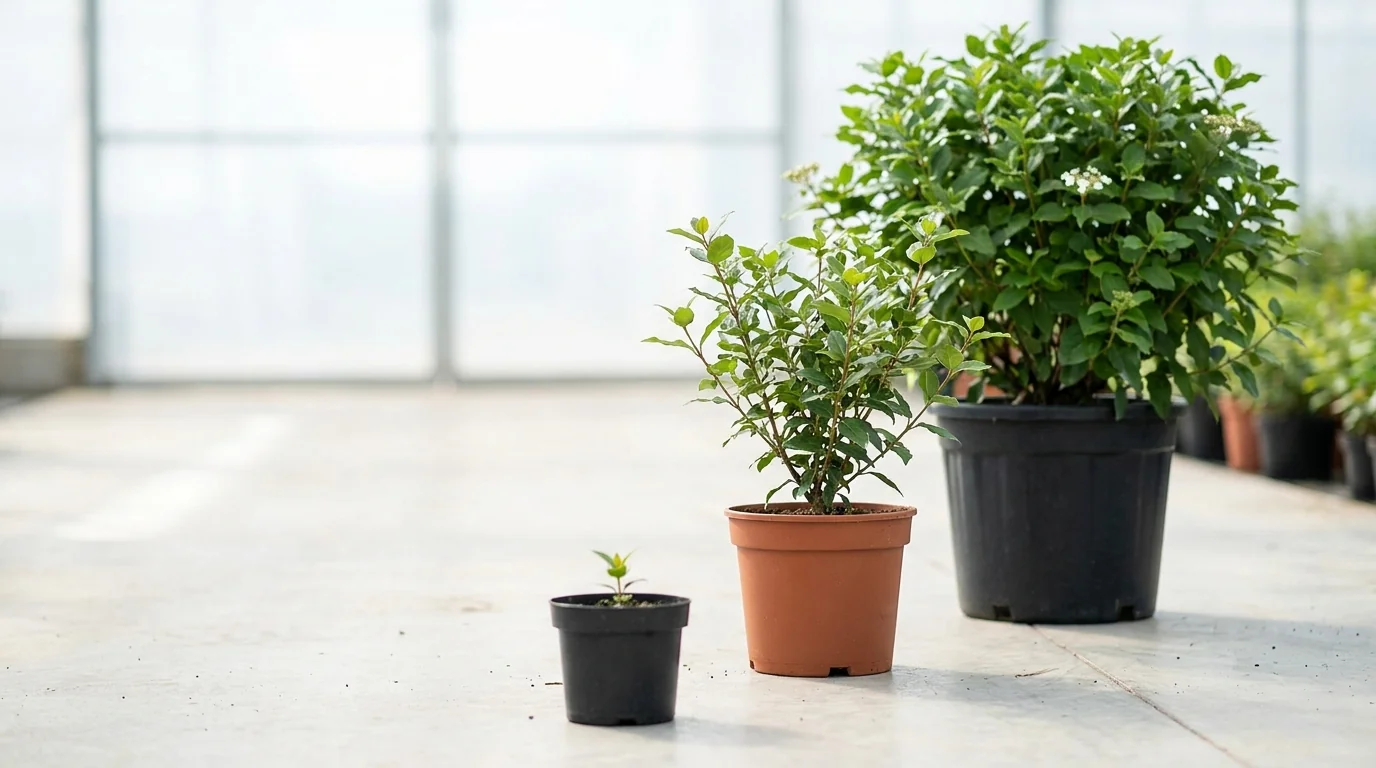
The EU plant-health regime, built on Regulation (EU) 2016/2031, sorts pests into tiers. Quarantine pests are the ones the Union works hardest to keep out entirely. Beneath them sit the regulated non-quarantine pests (RNQPs): organisms already present in the EU that do their damage by travelling on plants for planting — the young stock, liners and propagation material a nursery buys to grow on. They are policed by tolerance thresholds on the material that carries them rather than by exclusion.
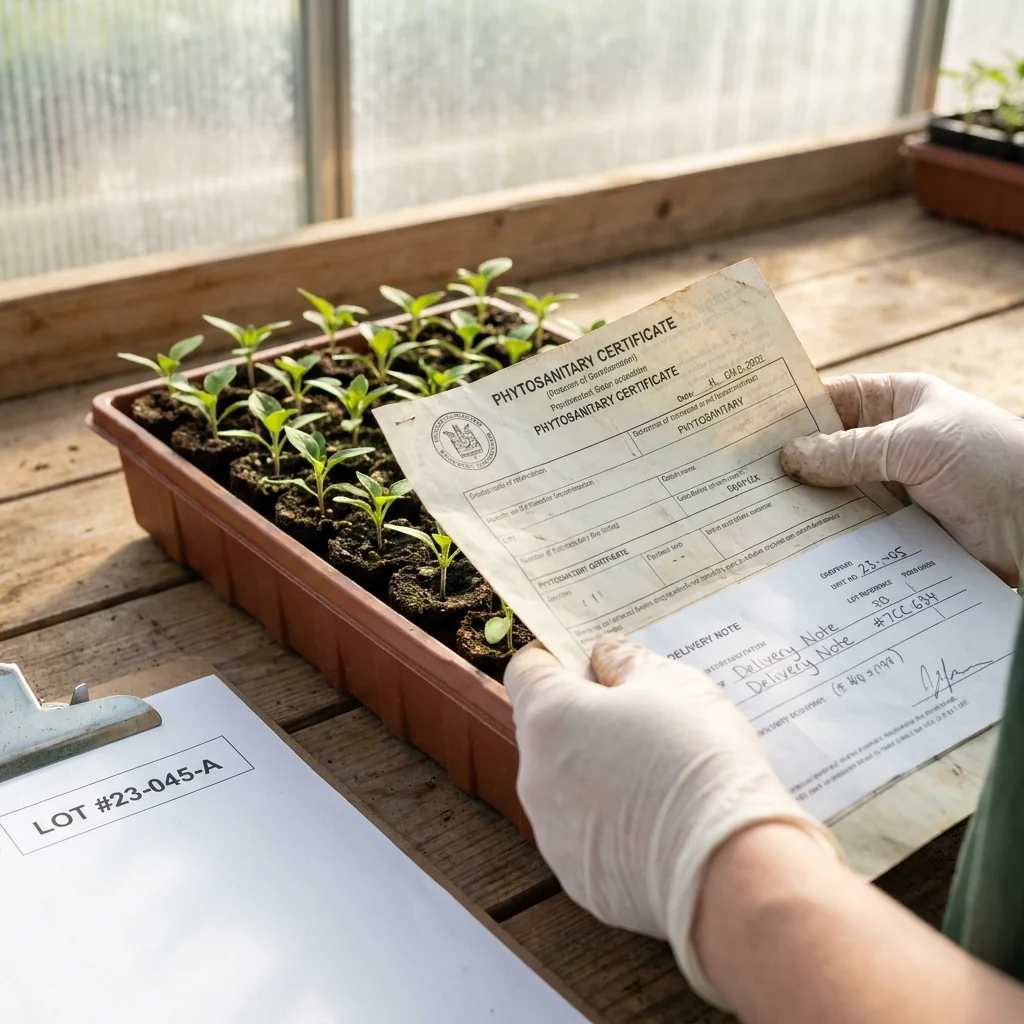
Historically the RNQP regime bore mainly on movement inside the Union. The July 2026 change extends the expectation to the border: third-country consignments of plants for planting must be accompanied by a phytosanitary certificate declaring that the appropriate measures against RNQPs were applied at origin. In plain terms, the exporter now has to say more, and the importer has to capture and stand behind what they say.
If you buy finished plants and grow nothing on, this is a supplier's problem. If you import plants for planting, meaning anything you pot on, propagate from or grow up before it sells, it is yours. And it lands at one predictable moment: the day the shipment arrives.