library · field guide

The parcel arrived. The plant didn't.

Every other loss in a nursery is quiet. This one comes back as a photograph, a one-star review and a refund request — which makes dead-on-arrival the most expensive kind of waste there is, and the easiest to actually fix.

the loss you hear about

Every other loss stays in the nursery.

A crop that fails on the bench costs you the plant. A crop that fails in a box costs you the plant, the freight, the refund, the reply, and the customer.

what a box really is

A dark cupboard, on wheels, in July.

We talk about shipping as if it were a pause: the plant leaves, some time passes, the plant arrives. In fact it is a short, brutal spell in an environment nobody would ever choose to grow anything in: no light, no airflow, no watering, and a temperature that swings from a frozen depot at four in the morning to a metal van roof at two in the afternoon.

Most plants survive it, which is why the trade keeps posting them. But the survival rate is a number your business sets, mostly without realising, through a handful of decisions: what you pack it in, when you dispatch it, who carries it, and how long it is allowed to be in the dark.

And unlike almost every other loss in horticulture, this one is reported back to you by the person who paid for it. There is no hiding it in a shrinkage figure at year end. It arrives in the inbox, with a photograph attached.
It's rarely one dramatic thing.

the actual causes

It's rarely one dramatic thing.

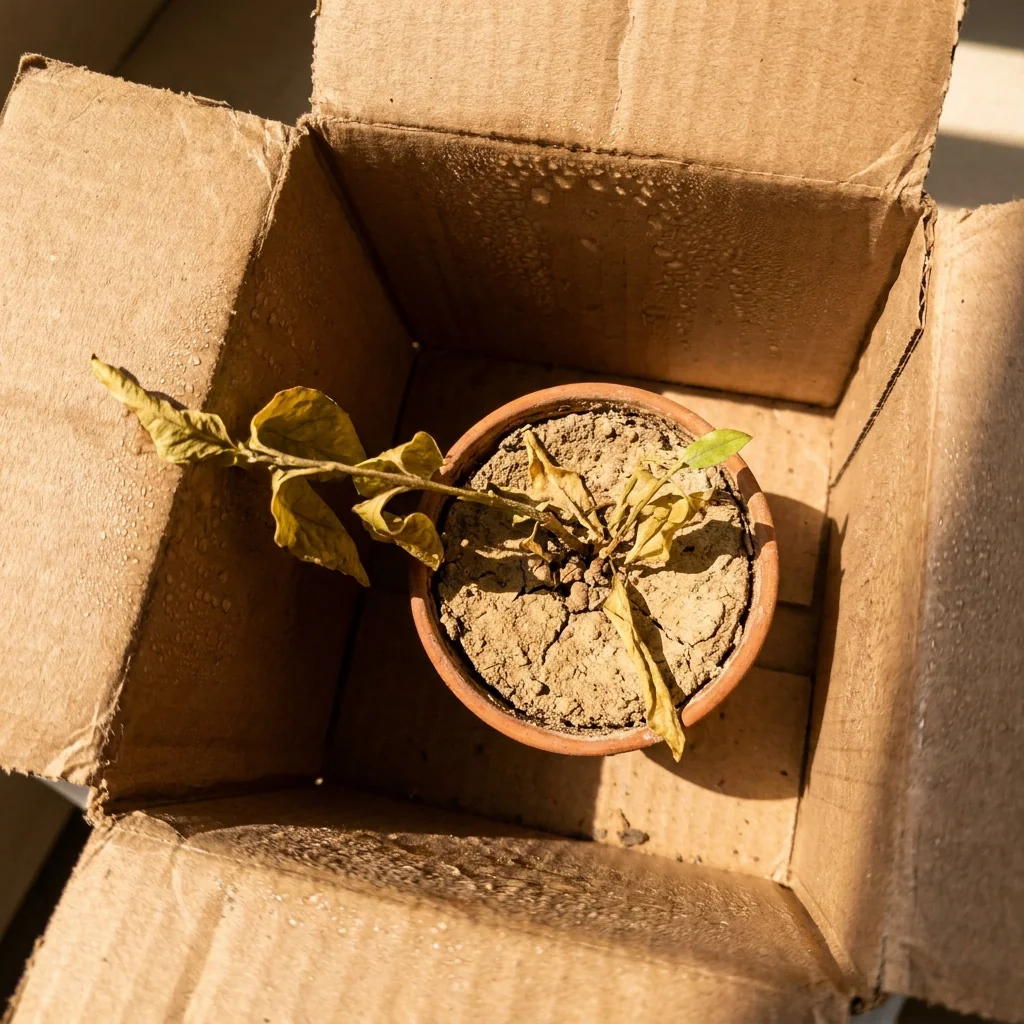
Boxes are almost never opened onto a single obvious catastrophe. What usually arrives is a plant that has been quietly ruined by an accumulation: heat build-up in a sealed box, cold shock on a night trunk run, dehydration in a rootball that was dry before it left, and mechanical damage where a pot came loose and spent two days rolling against the stems.

Add the invisible one: a living, respiring plant in a closed box generates its own warmth and its own ethylene. Foliage yellows, buds drop, soft growth collapses. The customer sees a dead plant. The autopsy usually points backwards — to a plant that went in the box already stressed, already dry, or already too soft to travel.

Time in the dark is the whole game.

the biggest variable

Time in the dark is the whole game.

If you could change only one thing, change the clock. Almost every packing improvement is really an attempt to buy tolerance for hours the plant should never have spent in transit in the first place.

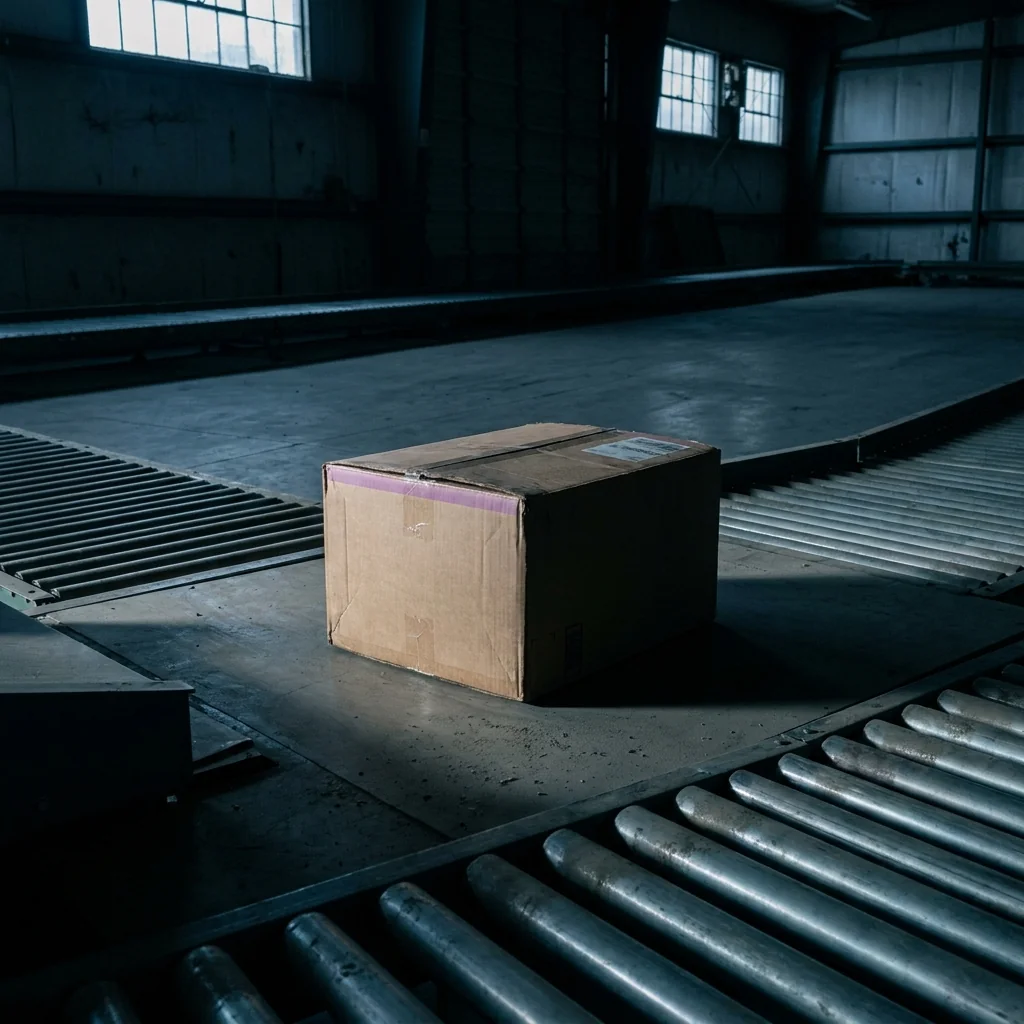
Which means the two most powerful controls a grower has are boring ones: the day of the week you dispatch, and the service you buy. A Thursday dispatch on a two-day service is a weekend in a dark depot. A cheaper courier that adds forty-eight hours to a route just moves the cost from the freight line to the refund line, where nobody is looking at it.

Deciding this per order, by species, by season and by distance, is the difference between a five percent loss rate and a half percent one.

the discipline

You cannot fix a number nobody writes down.

Most nurseries know roughly what their dead-on-arrival rate feels like. Very few can tell you what it is by species, by courier, by route or by week — which is exactly the breakdown that tells you what to change.

The common pattern is that every DOA claim gets handled well and recorded badly. A replacement goes out, an apology is written, a credit is raised — and the only trace left in the system is a refund with no cause attached to it. Twelve months later the business genuinely cannot answer whether the problem is a species, a season, a packer or a carrier.

The fix is unglamorous: record the reason on the claim as well as the money. Was it heat, cold, dryness, breakage, or delay? Which product, which pack spec, which service, which week? Six months of that and the pattern is usually embarrassing in its obviousness — one carrier's route, one product that should never travel in August, one pack size that keeps arriving crushed.

At that point the argument inside the business stops being about opinions and starts being about a table.

A spec, not a mood.

packing

A spec, not a mood.

The single most common cause of an inconsistent DOA rate is an inconsistent pack. When packing lives in the packer's head, quality tracks who was on shift — and a good day and a bad day look identical on the paperwork.

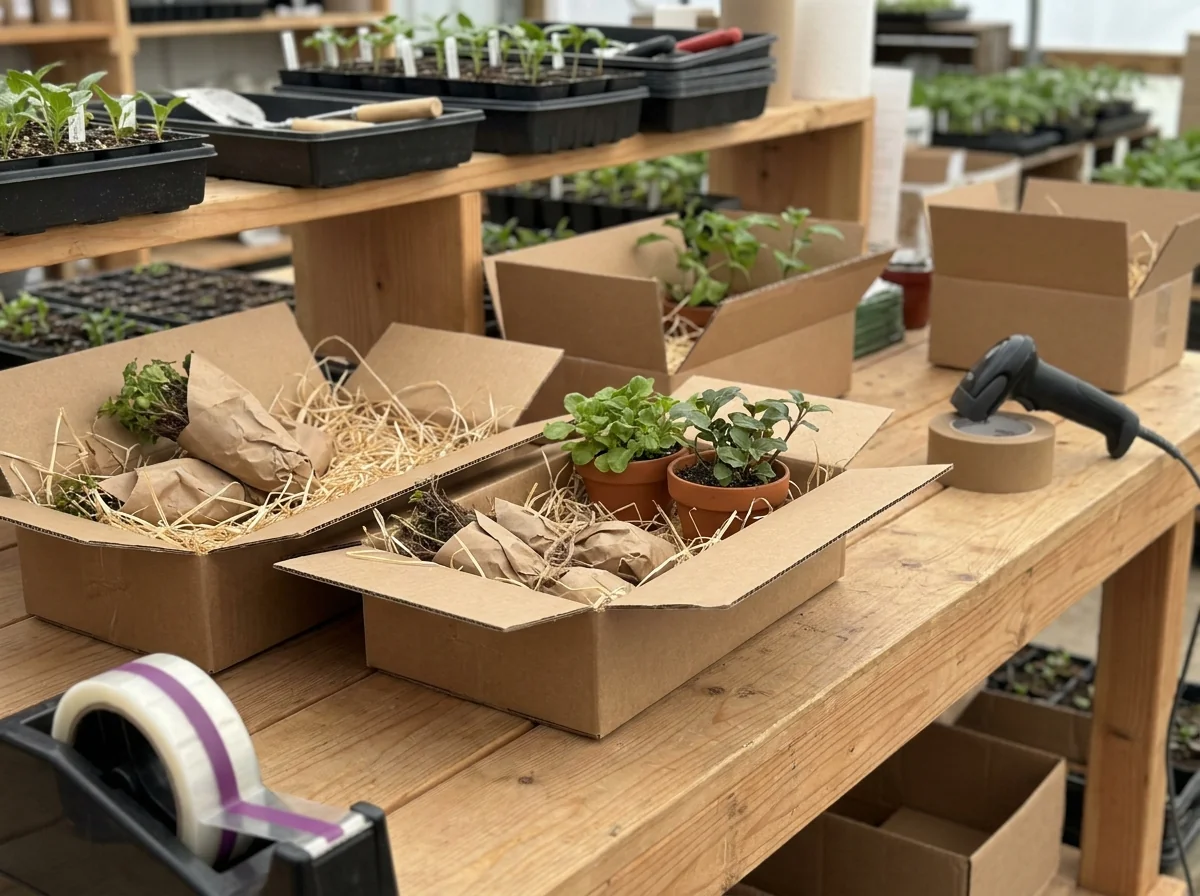
Good practice is to make the pack a defined thing per product: a named box or container, its real dimensions and weight, what sleeves or supports go in it, how the pot is immobilised, and the maximum a single package may carry. Write it once, test it by posting one to yourself, and let the packing bench follow it rather than invent it.

The bonus is that a spec's-worth of packaging is usually less packaging. Waste on a doorstep is a complaint too; the goal is enough to keep the plant alive.

Photographs end arguments.

evidence

Photographs end arguments.

Some proportion of the losses were never yours. A crushed corner, a box left in full sun on a step, a two-day misroute — those are carrier failures, and they are recoverable only if you can show the consignment left you in good order and prove when it moved.

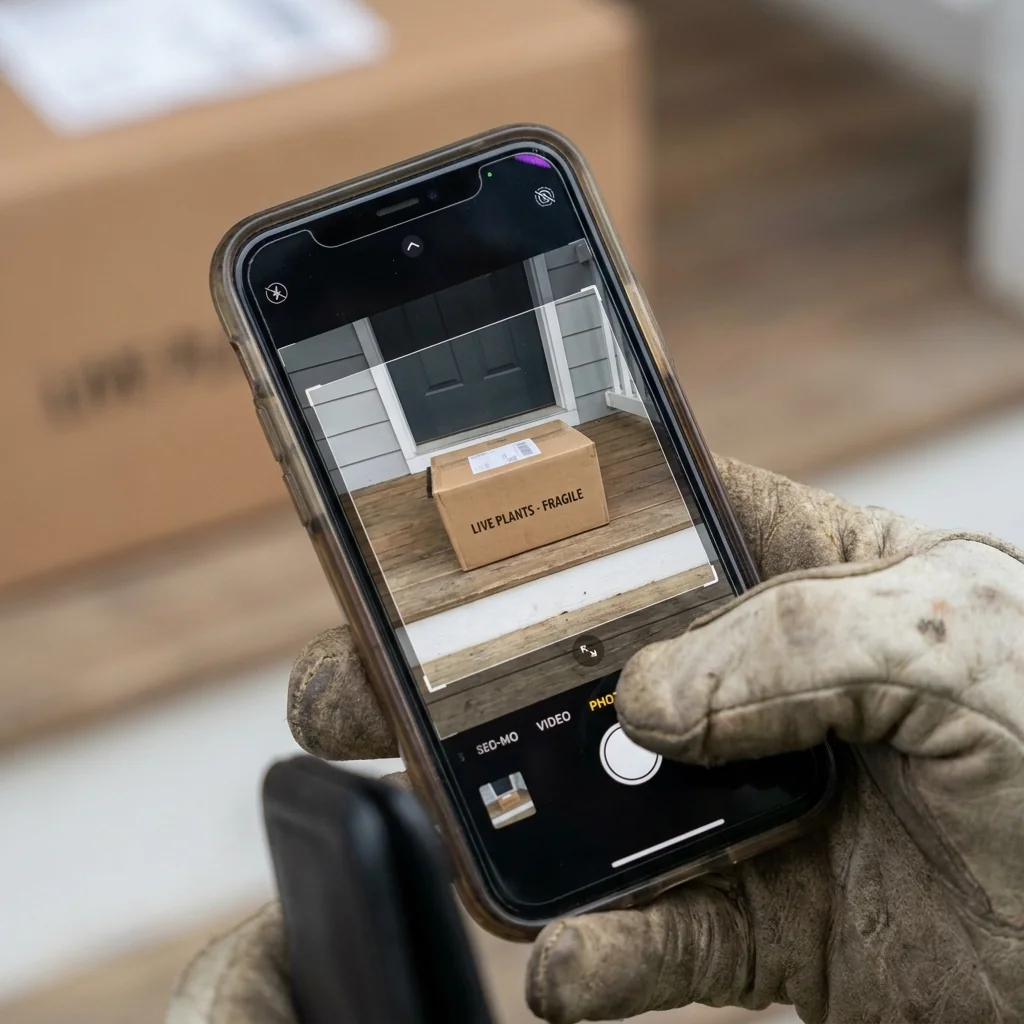
That means keeping the boring artefacts: what was in each package and what it weighed, the dispatch date, the carrier's tracking history, and an image at the doorstep. The point is to tell a claim you should absorb from a claim you should pass on; the overwhelming majority of customers are honest and just want a living plant.

It also changes how the conversation goes. A grower who replies within an hour, with the record open, keeps the customer. A grower who has to go and ask the packing shed what happened has usually already lost them.

atlas core

How Atlas Core supports this

Atlas Core keeps the record that makes a DOA rate manageable rather than mysterious:

  • A packaging-material catalogue, each container defined once with its code, dimensions, maximum weight and tare, so a delivery's packs are built from a real spec instead of whatever was to hand.
  • Packs on every delivery, with the packed weight of each variant rolling up into an estimated and a calculated weight, so what left the yard is written down before it leaves.
  • Delivery methods carrying a transit lead time, so the ship-on date is worked back from the date the customer needs it, and a slow service shows itself in the plan rather than in the complaint.
  • A full delivery lifecycle: pending, picking, packed, in transit, delivered, and the honest endings, failed and returned, with a trace log behind every status change.
  • Proof-of-delivery images and notes on the shipment, and a deliveries list you can filter by courier and status, so comparing carriers is a query rather than an argument.
  • Credit notes that book returned or replaced goods back through stock and settle the refund properly, so a claim never quietly falls out of the numbers.

Read further

Nobody pays the list price Field guide · 2026

Nobody pays the list price

There is a price list, and then there is what each customer is actually charged - and the two stopped matching years ago. The deals are all sound. The trouble is they live in a spreadsheet and somebody's memory.

7 min read · Jul 2026 Read →
No label, no idea Field guide · 2026

No label, no idea

Pull the tag out of a pot and you are left with an anonymous green thing. Everything you know about that plant lives on a strip of plastic nobody thinks about until it is gone.

7 min read · Jul 2026 Read →

Fewer plants arriving dead.

Packing specs, transit lead times, proof of delivery and credit notes — see how it fits your nursery.